
TL;DR

Get business pricing on tools and workshop supplies
- Business-only prices and quantity discounts
- Tax-exempt purchasing
- Multiple users, one account, clear invoices
This article explains the diverse diets of wild ducks, how their food sources change seasonally, and why understanding their feeding habits is crucial for hunters and conservationists. Confirmed details include differences between dabbling and diving ducks and seasonal dietary shifts.
Wild ducks have varied diets that change with species and seasons, and understanding these feeding habits is essential for hunters and conservationists. Recent research highlights how dabbling and diving ducks differ in their food sources, which directly impacts hunting strategies and habitat management. Confirmed by recent studies, knowledge of duck diets can improve success rates and support sustainable waterfowl populations.
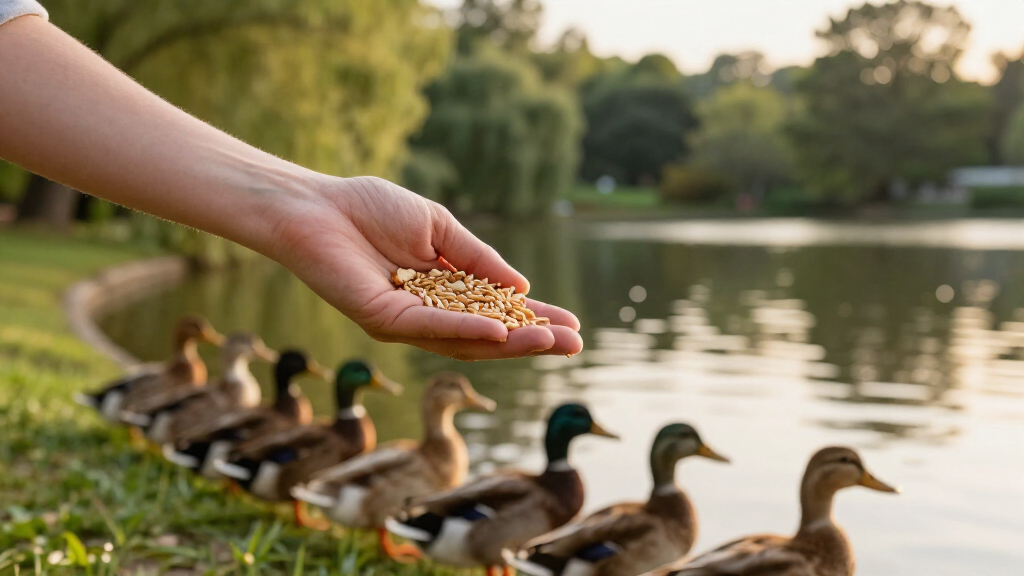
Most wild ducks are categorized as either dabbling or diving species, with distinct feeding behaviors and preferred food sources. Dabbling ducks, such as mallards and teal, feed primarily near the water surface, consuming aquatic plants, seeds, and invertebrates like water beetles and freshwater shrimp. They prefer shallow waters less than 18 inches deep and are more agile on land, often foraging in fields or shallow ponds.
In contrast, diving ducks, including canvasbacks and scoters, dive beneath the water surface to access food sources in deeper waters, typically less than 6 feet deep. Their diet leans more towards animal proteins such as mollusks, crustaceans, small fish, and insect larvae, although they also consume aquatic plants like pondweed and eelgrass. Their body structure, with legs set further back, makes movement on land difficult but enhances their swimming capabilities.
Seasonal dietary shifts are significant in wild ducks. During spring, they increase intake of animal protein to support breeding and egg production, with some species consuming up to 99% animal matter during this period. In summer, their diet becomes more diverse, with abundant aquatic plants and invertebrates. Fall sees a shift toward energy-rich foods like agricultural crops, acorns, and wild rice to fuel migration, while winter diets depend heavily on regional food availability, often relying on seeds, leftover crops, and aquatic vegetation when natural food sources are scarce.
Implications for Hunting and Conservation Strategies
Understanding the dietary habits of wild ducks is vital for improving hunting success and managing habitats effectively. Recognizing where ducks feed during different seasons allows hunters to target specific food sources, increasing their chances of success. Additionally, habitat management that preserves or enhances key food sources—such as shallow wetlands for dabblers or deeper waters rich in invertebrates for divers—can support sustainable waterfowl populations. This knowledge also aids conservation efforts, especially as climate change and habitat loss alter food availability and migration patterns.
As an affiliate, we earn on qualifying purchases.
Seasonal Changes in Duck Diets and Habitat Use
Historically, waterfowl hunters and conservationists have observed that duck diets shift throughout the year, aligning with seasonal food availability. Recent studies confirm that spring diets are heavily animal protein-based, supporting breeding, while summer diets diversify with aquatic plants. Fall and winter diets adapt to regional food supplies, with migratory ducks relying more on agricultural and natural food sources during their journeys. These patterns are critical for understanding waterfowl behavior and planning effective management strategies.
“Knowing what ducks eat at different times of the year helps hunters locate prime feeding areas and supports habitat conservation efforts.”
— Lee Thomas Kjos, wildlife researcher
waterfowl habitat management tools
As an affiliate, we earn on qualifying purchases.
As an affiliate, we earn on qualifying purchases.
Unresolved Questions About Regional Food Availability
While the general patterns of duck diets are well documented, regional variations in food availability—especially due to habitat loss, climate change, and agricultural practices—are still being studied. It remains unclear how these factors will alter seasonal feeding habits and migration timing in the coming years, which could impact both duck populations and hunting strategies.
As an affiliate, we earn on qualifying purchases.
Future Research and Habitat Management Efforts
Researchers plan to continue monitoring regional food sources and dietary patterns, especially in areas affected by environmental changes. Conservation programs are expected to focus on restoring wetlands and agricultural practices that support key duck food sources. Hunters and wildlife managers will likely adjust strategies based on ongoing findings to ensure sustainable waterfowl populations and successful hunting seasons.
As an affiliate, we earn on qualifying purchases.
Key Questions
Why do wild ducks change their diets seasonally?
Wild ducks change their diets seasonally to adapt to the availability of food sources and to meet their energy and nutritional needs for breeding, migration, and winter survival.
How does understanding duck diets improve hunting success?
Knowing what ducks eat and where they forage allows hunters to target specific habitats and times of year, increasing the likelihood of encountering feeding flocks.
Are all duck species affected equally by seasonal food changes?
No, different species have distinct feeding habits and habitat preferences, which influence how they respond to seasonal food availability.
What role does habitat management play in supporting duck diets?
Habitat management that preserves or restores wetlands, shallow ponds, and agricultural fields ensures that ducks have access to their preferred food sources throughout the year.
What are the main challenges in studying duck diets today?
Challenges include habitat loss, climate variability, and the difficulty of monitoring dietary habits across diverse regions and species.
Source: rss
Fall yard work Picks
leaf blowers
As an affiliate, we earn on qualifying purchases.