
TL;DR
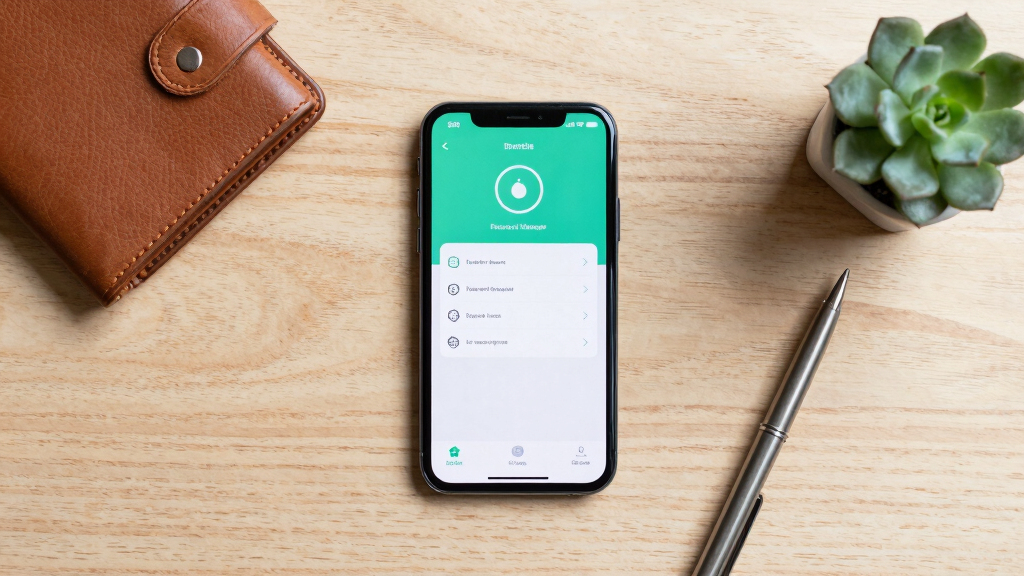
Bramble, an open source password manager with peer-to-peer sync, has released its Chrome extension and Android app, with iOS in progress. It prioritizes local device storage and direct device communication, aiming to enhance privacy and control.
Bramble, an open source password manager emphasizing local-first storage and peer-to-peer sync, has released its Chrome extension and Android application, with an iOS version currently in development. This development introduces a new approach to password management, prioritizing user control and privacy by avoiding centralized servers.
The developer behind Bramble stated that the project aims to enable users to securely store and synchronize passwords across devices without relying on cloud-based servers. The Chrome extension is now available, allowing users to generate and store passwords locally within their browser environment. The Android app has also been released, providing similar local storage capabilities on mobile devices. An iOS version is under active development, with no confirmed release date yet. Bramble’s core feature is its peer-to-peer synchronization, which allows devices to directly communicate and update password data without passing through third-party servers, reducing potential attack vectors and enhancing privacy.According to the developer, the project is open source, inviting community contributions and audits to improve security and usability. The approach contrasts with mainstream password managers that typically rely on cloud storage for synchronization, which can raise concerns over data breaches and centralized control. Bramble aims to provide a more transparent, privacy-focused alternative while maintaining ease of use.While still in early stages, the project has garnered interest from privacy advocates and developers seeking decentralized solutions. The developer has emphasized that security relies on local encryption and peer-to-peer protocols, with no data stored on external servers.Implications of a Local-First, Peer-to-Peer Password Manager
This development could signal a shift in how password management tools prioritize user privacy and control. By eliminating reliance on cloud servers, Bramble aims to reduce risks associated with centralized data breaches and unauthorized access. For users concerned about privacy, this approach offers a compelling alternative to mainstream password managers, which often synchronize data via proprietary cloud services.
Furthermore, Bramble’s open source nature encourages transparency and community auditing, potentially leading to more secure and trustworthy implementations. If successful, it could influence broader adoption of decentralized security tools, especially as privacy concerns grow among consumers and organizations.
password manager with local storage
As an affiliate, we earn on qualifying purchases.
As an affiliate, we earn on qualifying purchases.
Background and Development of Peer-to-Peer Password Management
Traditional password managers like LastPass, 1Password, and Dashlane rely heavily on cloud synchronization, which, while convenient, introduces security and privacy concerns. In recent years, there has been increased interest in decentralized security solutions, including local-first applications and peer-to-peer protocols, driven by growing awareness of data breaches and surveillance.
Bramble’s approach aligns with this trend, emphasizing local device storage and direct device communication. The project was first announced on Show HN by the developer working on the open source initiative, with initial focus on a Chrome extension. The Android app followed, expanding accessibility, while iOS support remains in progress. The project’s open source status and peer-to-peer design distinguish it from many existing solutions.
“Our goal is to create a password manager that prioritizes user privacy by avoiding centralized servers and enabling direct device communication.”
— the developer of Bramble
peer-to-peer password synchronization app
As an affiliate, we earn on qualifying purchases.
As an affiliate, we earn on qualifying purchases.
Unresolved Details About Bramble’s Deployment and Security
While the project is in active development, it is not yet clear how Bramble’s peer-to-peer synchronization performs in real-world scenarios, especially regarding data consistency and conflict resolution across multiple devices. The security model relies on local encryption, but comprehensive security audits or peer reviews are not yet publicly available. The stability and usability of the iOS version also remain unconfirmed, with no official release date announced.
open source password manager for Android
As an affiliate, we earn on qualifying purchases.
As an affiliate, we earn on qualifying purchases.
Upcoming Milestones for Bramble Development and Adoption
The developer plans to release the iOS version soon, along with further updates to enhance stability and security. Community feedback and contributions are expected to play a key role in refining the product. Broader adoption will likely depend on user testing, security audits, and potential integrations with other privacy-focused tools. The project may also seek funding or partnerships to accelerate development and outreach.
privacy-focused password manager Chrome extension
As an affiliate, we earn on qualifying purchases.
As an affiliate, we earn on qualifying purchases.
Key Questions
How does Bramble ensure the security of stored passwords?
Bramble encrypts passwords locally on each device using strong encryption protocols, and synchronization occurs directly between devices via peer-to-peer connections, avoiding external servers.
Can Bramble replace existing cloud-based password managers?
While it offers comparable features, Bramble’s peer-to-peer architecture may have limitations in scalability and ease of use compared to mainstream solutions. Its suitability depends on user preferences for privacy versus convenience.
Is Bramble open source and auditable?
Yes, Bramble is open source, inviting community review and contributions to improve transparency and security.
When will the iOS version be available?
The iOS app is currently in development, with no official release date announced. Updates are expected in the coming months.
How does peer-to-peer sync handle conflicts or multiple devices?
This aspect is still under development; specifics about conflict resolution and data consistency are not yet publicly detailed.
Source: hn