
TL;DR
Listen free for 30 days with Audible
Thousands of audiobooks and originals — cancel anytime.
Start your free trialAs an affiliate, we earn on qualifying purchases.
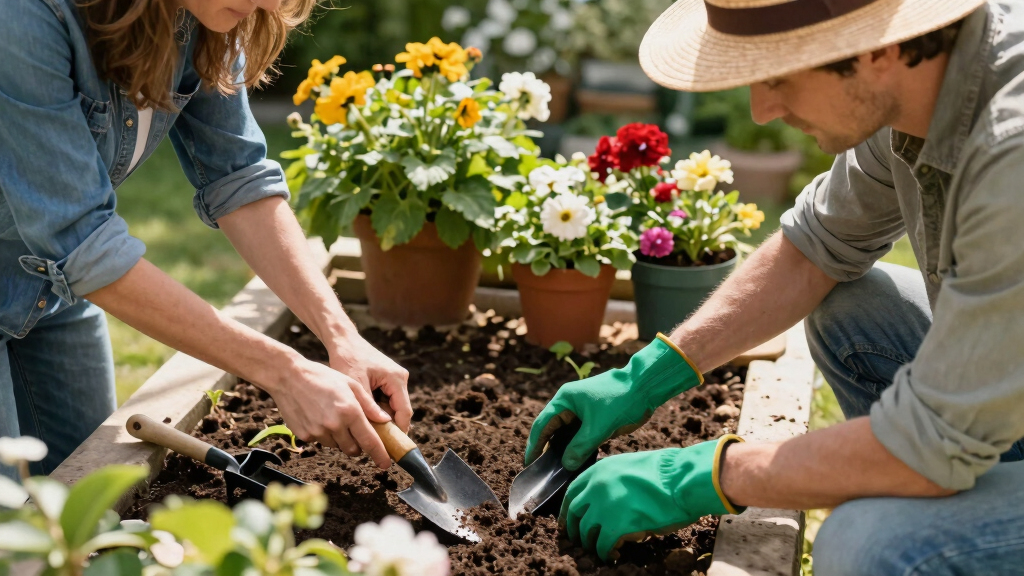
A professional gardener husband advises his wife to adopt a bolder approach to deadheading plants. The advice aims to improve plant health and flowering, highlighting common gardening misconceptions.
A professional gardener husband has advised his wife, a gardening writer, to be more confident when deadheading plants, emphasizing that timid pruning can hinder plant health and flowering. This guidance highlights common gardening misconceptions and aims to improve her pruning skills.
The husband, with two decades of gardening experience, told his wife that her cautious approach to deadheading roses and other repeat-flowering plants is unnecessary and even counterproductive. He explained that cutting back to the first healthy leaf or side shoot encourages stronger new growth and more flowers, rather than just removing the spent bloom.
He emphasized the importance of making clean cuts with sharp shears, comparing it to a surgical procedure to prevent damage and reduce disease risk. He also noted that many garden plants are more resilient than gardeners often believe, and that confident pruning can lead to healthier, more vibrant plants. However, he acknowledged exceptions, such as once-blooming roses and spring bulbs, which require more cautious handling to avoid removing next season’s flowers or damaging the plant.
Why Confident Pruning Can Transform Your Garden
This advice underscores the importance of proper pruning techniques for gardeners of all skill levels. Being more confident with deadheading can lead to healthier plants, more abundant flowering, and a more attractive garden overall. It also challenges common fears about damaging plants, encouraging gardeners to adopt a more assertive approach, which can improve garden productivity and resilience.

DECERK® 8.5" Professional Pruning Shears – Cuts 4X Easier with Ultra Sharp Japanese Steel Titanium Blade, Arthritis Friendly Garden Scissors & Plant Clippers, Effortlessly Prunes 3/4" Branches
- Blade Material: Japanese SK5 steel with titanium coating
- Durability: Cuts up to 100,000 times with sharpness
- Enhanced Sharpness: Upgraded with 3-layer titanium alloy coating
As an affiliate, we earn on qualifying purchases.
As an affiliate, we earn on qualifying purchases.
Common Gardening Myths About Pruning and Plant Resilience
Many gardeners, including amateurs and professionals, often hesitate to prune aggressively, fearing they might harm their plants. This hesitation stems from misconceptions about plant fragility and the belief that less is more. The advice from the experienced gardener aligns with horticultural best practices that promote vigorous growth through confident, targeted pruning. Recent discussions among gardening enthusiasts have highlighted the ongoing debate about how much to prune, especially for repeat-flowering and spring bulbs, with many learning to balance caution with assertiveness.
“Most garden plants are more resilient than gardeners often believe, and confident pruning encourages healthier, more vibrant growth.”
— an anonymous researcher

VIVOSUN 6.5 Inch Gardening Scissors Hand Pruner Pruning Shear with Straight Stainless Steel Blades Orange 1-Pack
- Reduces Hand Fatigue: Ergonomic handles for comfortable use
- Sharp Stainless Steel Blades: Precision-sharpened for clean cuts
- Secure Locking Mechanism: Safe sideways lock for storage
As an affiliate, we earn on qualifying purchases.
As an affiliate, we earn on qualifying purchases.
Unclear Aspects of Confident Pruning Practices
It is not yet clear how widespread the misconceptions about pruning are among amateur gardeners or how much confidence varies across different plant types. The advice from the gardener may not apply universally, especially for certain sensitive or once-blooming plants that require more cautious handling. Further guidance or studies could clarify best practices for a broader range of species and gardening conditions.
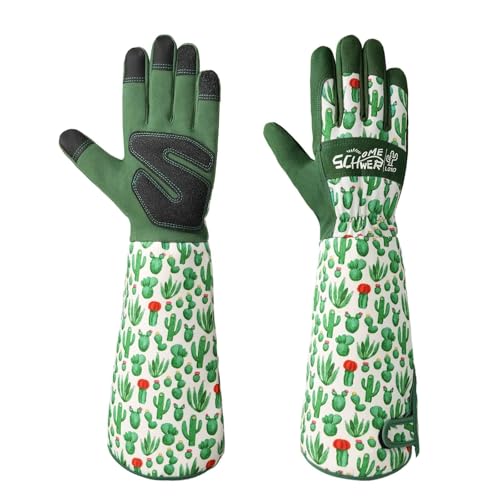
Schwer Gardening Gloves for Women, Reinforced Fingertips & Palm, L010, M
- Designed for Women: Cactus print, tailored for women
- Breathable and Comfortable: Canvas and microfiber materials
- Reinforced Palm and Fingertips: Thickened PVC for protection
As an affiliate, we earn on qualifying purchases.
As an affiliate, we earn on qualifying purchases.
Next Steps for Gardeners Looking to Improve Pruning Skills
Gardeners are encouraged to experiment with more confident pruning on resilient plants, following proper techniques such as making clean cuts and cutting back to healthy growth points. Gardening experts may offer workshops or tutorials to help gardeners build confidence. Future discussions could focus on developing tailored pruning guidelines for different plant types, balancing assertiveness with plant-specific needs.

Grenebo Heavy Duty Gardening Tools with Handbag, Gardening Gifts for Women
- Sturdy Stainless Steel Construction: Durable, rust-proof, and deformation-resistant
- Complete Gardening Kit: Includes 8 tools and storage bag
- Ergonomic Wooden Handles: Non-slip, comfortable for all hand sizes
As an affiliate, we earn on qualifying purchases.
As an affiliate, we earn on qualifying purchases.
Key Questions
Why should I be more confident when deadheading my plants?
Being more confident allows you to remove spent flowers properly, encouraging stronger new growth and more abundant flowering. Proper pruning also reduces disease risk and improves plant health.
What tools are best for confident pruning?
Sharp, clean shears like bypass pruners or microtip scissors are ideal. They ensure clean cuts that promote quick healing and reduce plant damage.
Are there plants that should not be pruned aggressively?
Yes, certain plants like once-blooming roses or spring bulbs require more cautious handling to avoid damaging next season’s flowers or the plant’s structure.
How do I know where to cut when deadheading?
Follow the flower stem down to the first healthy leaf or side shoot and make your cut just above that point to encourage new growth.
Does plant resilience vary by species?
Yes, some plants are more tolerant of aggressive pruning than others. It’s important to understand the specific needs of each plant type.
Source: rss
College move-in / dorm season Picks
dorm essentials
As an affiliate, we earn on qualifying purchases.