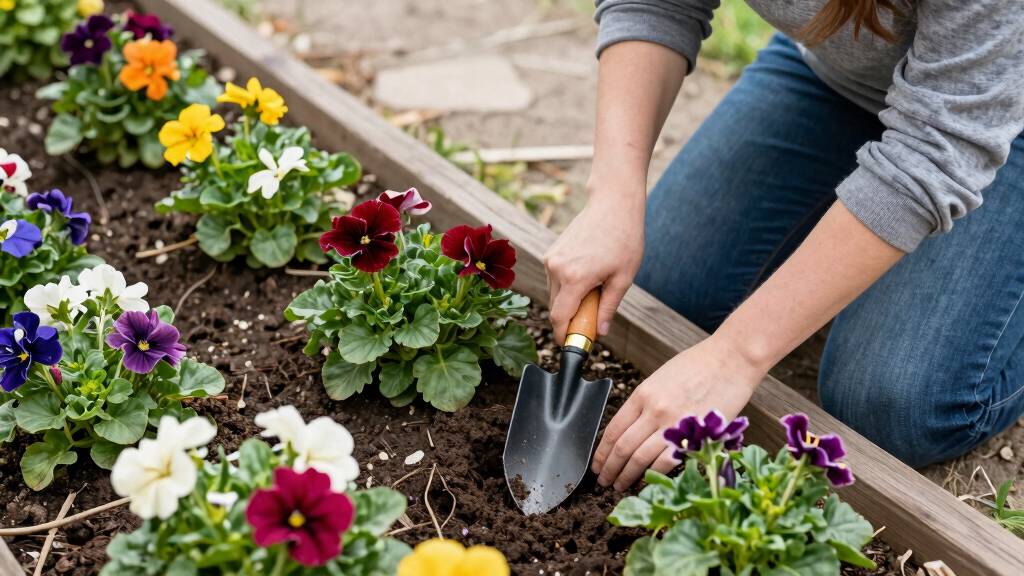

When searching for the best flowering perennial plants, the goal is to find options that combine vibrant blooms, easy maintenance, and long-lasting performance. The Live Coreopsis in a 2-pack stands out for its cheerful yellow flowers and durability, making it a top overall pick. For those wanting colorful, pollinator-friendly options, the ZEshops Lupine Seeds and Purple Columbine Seeds offer vivid blooms and ease of growth. However, gardeners must weigh tradeoffs like bloom duration versus planting effort or initial cost. Continue reading for a detailed breakdown of the top perennial choices and what makes each one unique.
Open a free Amazon Business account
Business pricing, bulk buying and tax-exempt orders.
Create a free accountAs an affiliate, we earn on qualifying purchases.
Complete the kit

Key Takeaways
- The top-ranked options combine vibrant flower displays with low maintenance requirements.
- Seed-based choices like lupines and columbines are budget-friendly but require patience and proper planting conditions.
- Potted plants such as the Live Coreopsis and Gardenia are ideal for instant color but tend to have a higher upfront cost.
- Pollinator-friendly varieties are a common theme, supporting beneficial insects while beautifying gardens.
- Selecting the right perennial depends on climate, bloom time, and your gardening experience.
| Live Coreopsis (2 Pack) – Yellow Blooms, Perennial Flowering Plants in 1 Qt Pots |  | Best Overall for Bright, Long-Lasting Blooms | Height: 12 inches | Spread: 36 inches | Pot Size: 1 Qt | VIEW LATEST PRICE | See Our Full Breakdown |
| ZEshops 100 Lupine Flower Seeds – Colorful Perennial Blooms for Borders and Pollinator Gardens, Non-GMO and Easy to Grow |  | Best for Colorful, Pollinator-Attracting Perennials from Seed | Color: Multicolor | Germination Rate: High | Sunlight Exposure: Full Sun | VIEW LATEST PRICE | See Our Full Breakdown |
| 200PCS Purple Columbine Seeds – Perennial Hummingbird Flower Seeds |  | Best for Hummingbird and Butterfly Gardens | Quantity: 200PCS | Color: Purple | Type: Perennial | VIEW LATEST PRICE | See Our Full Breakdown |
| Burpee Wildflower 25,000 Bulk Seed Mix | 18 Varieties of Non-GMO Perennial Flowers for Pollinator Gardens |  | Best for Large-Scale Wildflower and Pollinator Gardens | Number of Seeds: 25,000 | Varieties: 18 | Coverage: Up to 1,000 sq ft | VIEW LATEST PRICE | See Our Full Breakdown |
| Live Russian Sage (Perovskia) – 2 Pack, Purple Blooms, Pollinator-Friendly Perennial, 10″ Tall in 1 Qt Pot |  | Best for Aromatic, Pollinator-Attracting Foliage and Flowers | Quantity: 2 Pack | Plant Height: 10 inches (initial), 36-48 inches mature | Plant Width: 5 inches (initial), 24-36 inches mature | VIEW LATEST PRICE | See Our Full Breakdown |
| Perfect Plants Frostproof Gardenia Live Plant, 1 Gallon Pot |  | Best Overall for Fragrant, Easy-Care Garden Addition | Mature Height: 5 ft | Mature Width: 4 ft | Pot Size: 1 gallon | VIEW LATEST PRICE | See Our Full Breakdown |
| Proven Winners 2 Gal. Miss Violet Buddleia Shrub |  | Best for Extended Blooming and Versatility | USDA zones: 5-9 | Mature size: 48-60″ W x 48-60″ H | Ships dormant: Winter through early spring | VIEW LATEST PRICE | See Our Full Breakdown |
| Dianthus Seeds 5000PCS – Fragrant Perennial Flower Seeds for Planting |  | Best for Large-Scale, Fragrant Flower Displays | Quantity: 5000PCS | Plant Type: Perennial | Fragrance: Sweet | VIEW LATEST PRICE | See Our Full Breakdown |
| Live Coreopsis – Yellow, Perennial Flowering Plant in 2 Qt Pot |  | Best for Bright, Low-Maintenance Garden Color | Height: 12 inches | Spread: 36 inches | Pot Size: 2 Qt | VIEW LATEST PRICE | See Our Full Breakdown |
| Proven Winners 2 Gal. Double Play Doozie Spirea Shrub |  | Best for Continuous Color and Low-Maintenance Landscaping | Expected Height: 24-36 inches | Color: Red to purple-red | USDA Hardiness Zone: 3-8 | VIEW LATEST PRICE | See Our Full Breakdown |
| Endless Summer Hydrangea Original, 1 Gallon |  | Best Overall for Continuous Blooms and Versatility | Hardiness Zone: 4-9 | Sunlight: Partial Shade | Height and Width: 3-5 feet | VIEW LATEST PRICE | See Our Full Breakdown |
| Encore Azalea 1 Gal. Autumn Majesty Azalea Shrub |  | Best for Evergreen Interest with Low Maintenance | Size: 42 inches H x 36 inches W | Zone: 6a-9b | Sunlight: Full sun to partial shade | VIEW LATEST PRICE | See Our Full Breakdown |
| Marde Ross & Company Russell Lupine Seeds Perennial – Grows 40″ Tall |  | Best for Vibrant, Tall Flower Spikes and Pollinator Support | Height: 36-48 inches | Bloom Time: Late spring to early summer | Zones: 3-9 | VIEW LATEST PRICE | See Our Full Breakdown |
More Details on Our Top Picks
Live Coreopsis (2 Pack) – Yellow Blooms, Perennial Flowering Plants in 1 Qt Pots
This coreopsis set stands out for its cheerful yellow daisy-like blooms that brighten gardens from spring through summer. Unlike the more specialized lupine or Russian sage, coreopsis offers a reliable, low-maintenance option that thrives in full sun and tolerates drought once established. Its long bloom period makes it an excellent choice for gardeners prioritizing continuous color without frequent care. However, it demands full sun for optimal performance and benefits from occasional fertilizing, which could be a drawback for those seeking ultra-easy, low-input plants. Compared to the more pollinator-specific Russian sage, coreopsis provides a broader appeal with its cheerful appearance and adaptability.
Pros:- Bright yellow, cheerful blooms that last all season
- Drought tolerant and easy to care for
- Long blooming period and adaptable to tough conditions
Cons:- Requires full sun for best performance
- May need occasional fertilizing to maintain vigor
Best for: Gardeners seeking a cheerful, low-maintenance perennial that blooms throughout the season and tolerates drought.
Not ideal for: Shade lovers or gardeners in consistently overcast or low-sun regions, since it needs full sun to thrive.
- Height:12 inches
- Spread:36 inches
- Pot Size:1 Qt
- Quantity:2 pack
Our verdict“This pick is ideal for gardeners wanting reliable, vibrant color with minimal fuss in sunny gardens.”
ZEshops 100 Lupine Flower Seeds – Colorful Perennial Blooms for Borders and Pollinator Gardens, Non-GMO and Easy to Grow
This seed pack offers vibrant, tall flower spikes that add striking vertical interest to gardens, especially in cooler zones like 4–8. Compared to the more compact coreopsis, lupine seeds produce a show-stopping display of multicolored blooms that attract bees, butterflies, and hummingbirds. It’s an excellent choice for those who prefer starting from seed rather than buying mature plants, providing a cost-effective way to establish perennial color. However, lupines need full sun and well-drained soil, and their germination can be sensitive to temperature fluctuations, meaning some patience is required for full blooms. While not suited for hot, humid climates outside USDA Zones 4–8, it excels in cooler, well-prepared gardens.
Pros:- Vibrant, eye-catching flower colors
- Attracts pollinators like bees and butterflies
- Easy to grow from seed with minimal care
- Hardy perennial suitable for cooler climates
Cons:- Requires full sun and well-drained soil
- May not bloom in extremely hot or very cold conditions outside zones 4–8
Best for: Gardeners in cooler climates looking for tall, colorful perennials that attract pollinators and can be grown from seed.
Not ideal for: Those in hot or humid regions beyond Zone 8, or gardeners seeking quick, mature plants with minimal maintenance.
- Color:Multicolor
- Germination Rate:High
- Sunlight Exposure:Full Sun
- Planting Period:Spring to Fall
- USDA Hardiness Zone:4-8
- Soil Type:Loam
- Soil Moisture Needs:Regular Watering
- Unit Count:100
Our verdict“Ideal for garden enthusiasts in temperate zones seeking vivid perennial color from seed with pollinator benefits.”
200PCS Purple Columbine Seeds – Perennial Hummingbird Flower Seeds
This batch of purple columbine seeds produces charming perennial flowers that are especially attractive to hummingbirds, butterflies, and birds. Unlike the seed-only lupines, columbines are known for their delicate, nodding blossoms that thrive in mild temperatures and shade, making them suitable for shaded or partially shaded garden areas. Their deer resistance adds a practical advantage for pest-prone gardens. While easy to grow, they do require planting in spring to fall and are best suited for specific climate zones, which could limit their versatility. Compared with the more robust, taller lupines, columbines tend to be smaller but offer a more delicate, woodland garden appeal.
Pros:- Attracts hummingbirds, butterflies, and birds
- Deer resistant and easy to grow
- Suitable for shaded or partially shaded gardens
Cons:- Requires planting in mild temperatures from spring to fall
- Limited to certain climate zones and may take time to establish
Best for: Gardening enthusiasts seeking a deer-resistant, hummingbird-friendly perennial for shaded or partially shaded areas.
Not ideal for: Hot, sunny gardens or gardeners wanting large, showy flowers with quick establishment, since columbines are slower and prefer milder climates.
- Quantity:200PCS
- Color:Purple
- Type:Perennial
- Planting Season:Spring to fall
Our verdict“Best for those wanting a delicate, pollinator-friendly perennial suitable for shaded spots and cooler climates.”
Burpee Wildflower 25,000 Bulk Seed Mix | 18 Varieties of Non-GMO Perennial Flowers for Pollinator Gardens
This extensive seed mix provides a diverse array of 18 perennial wildflower varieties, ideal for creating a vibrant, nectar-rich pollinator habitat across large areas. Unlike single-species plantings like coreopsis or lupines, this mix offers continuous bloom from spring through fall, attracting a wide range of pollinators. Its ease of sowing and coverage of up to 1,000 square feet make it suitable for large garden beds or wildflower meadows. However, it requires a sunny spot and patience, as establishing a diverse wildflower meadow can take time and the germination rates may vary depending on conditions. While perfect for large-scale projects, it might be overkill for gardeners seeking immediate impact or smaller spaces.
Pros:- Includes 18 diverse wildflower varieties for continuous bloom
- Attracts a wide range of pollinators
- Covers large areas easily
- Non-GMO seeds with high germination rates
Cons:- Needs sunny location for best results
- Germination and growth can be variable and slow
- Perennials may take time to fully establish
Best for: Landscapers or large property owners aiming to establish extensive, pollinator-friendly wildflower gardens with minimal ongoing effort.
Not ideal for: Small gardens or those seeking quick, uniform flowering perennial beds, as wildflower meadows take time to mature and establish.
- Number of Seeds:25,000
- Varieties:18
- Coverage:Up to 1,000 sq ft
- Seed Type:Perennial, Non-GMO
- Suitable Soil:Most soil types
- Planting Time:After danger of heavy frost
Our verdict“Excellent for large-scale, low-maintenance pollinator gardens that prioritize diversity and long-term nectar sources.”
Live Russian Sage (Perovskia) – 2 Pack, Purple Blooms, Pollinator-Friendly Perennial, 10″ Tall in 1 Qt Pot
This Russian sage duo offers aromatic purple flowers that bloom up to 48 inches tall, providing a striking, silvery foliage backdrop that is hardy and deer resistant. Compared to the more colorful but shorter columbine or lupine, Russian sage excels in creating vertical accents in sunny borders or pollinator gardens. Its low-maintenance nature—requiring minimal watering and thriving in full sun—makes it a favorite for gardeners seeking easy, drought-tolerant plants. However, the initial plant size is small at 10 inches, and it takes time to reach full height and maturity. Its subtle purple flower spikes and silvery foliage make it less showy but highly functional for long-term, pollinator-friendly landscape design.
Pros:- Aromatic purple flowers attract pollinators
- Silvery foliage is deer resistant
- Easy to grow with minimal watering
- Ships fresh directly from greenhouse
Cons:- Plants may take time to reach full height
- Requires well-draining soil for best growth
- Initial size is small, needing patience to mature
Best for: Gardeners wanting aromatic, drought-tolerant plants that add vertical structure and attract pollinators in sunny borders.
Not ideal for: Gardeners desiring large, colorful, or immediate flowering plants, since Russian sage takes time to mature and is more understated in appearance.
- Quantity:2 Pack
- Plant Height:10 inches (initial), 36-48 inches mature
- Plant Width:5 inches (initial), 24-36 inches mature
- Pot Size:1 Qt
- Color:Purple
- Growth Zone:4-9
- Soil Type:Well-draining soil
- Watering Needs:Little to no watering
- Sunlight:Full sun
Our verdict“Ideal for low-maintenance, drought-tolerant gardens seeking vertical interest and pollinator support over time.”
Perfect Plants Frostproof Gardenia Live Plant, 1 Gallon Pot
This frostproof gardenia stands out for its fragrant white blossoms in spring and summer, combining beauty with resilience. Compared with the Proven Winners Miss Violet Buddleia, which blooms from spring through fall, the gardenia offers a more intoxicating scent but requires more sun exposure for optimal flowering. Its frostproof nature and deer resistance make it a reliable choice for gardeners seeking low-maintenance, hardy plants. However, its expected height of 5 feet might be an issue for small gardens or container growers with limited space. This pick makes the most sense for those who want a fragrant shrub that can withstand tougher conditions without fussing over winter protection.
Pros:- Fragrant white flowers bloom in spring and summer
- Frostproof and easy to maintain
- Deer resistant and drought tolerant
Cons:- Requires full sun to partial shade for best flowering
- Mature height of 5 ft may be too tall for small gardens
Best for: Gardeners seeking a fragrant, frost-resistant shrub that adds scent and elegance to larger landscapes
Not ideal for: Small garden owners or container gardeners with limited space who prefer shorter, less tall plants
- Mature Height:5 ft
- Mature Width:4 ft
- Pot Size:1 gallon
- Flower Color:White
- Blooming Season:Spring-Summer
- Frostproof:Yes
- Deer Resistant:Yes
Our verdict“This gardenia is ideal for those wanting a hardy, fragrant shrub that can handle tougher outdoor conditions in larger spaces.”
Proven Winners 2 Gal. Miss Violet Buddleia Shrub
The Miss Violet Buddleia is a highly versatile shrub, thriving across USDA zones 5-9 and flowering from spring through fall, which makes it a standout compared to the shorter-lived Coreopsis. Its ability to be used in containers or landscape beds adds to its flexibility. However, since it is deciduous, it will lose foliage in winter, unlike evergreen options. The plant ships dormant, so its vibrant potential isn’t immediately visible upon arrival, requiring patience. This shrub is best suited for gardeners who want a long-blooming, adaptable perennial that fills space with color across multiple seasons without demanding intensive care.
Pros:- Thrives in a wide range of USDA zones (5-9)
- Blooms from spring through fall
- Versatile for containers and landscapes
Cons:- Deciduous foliage in winter
- Ships dormant, so initial appearance may be less vibrant
Best for: Homeowners wanting a long-blooming, versatile shrub for mixed borders or containers in zones 5-9
Not ideal for: Gardeners in colder zones below 5 or those seeking evergreen plants for winter interest
- USDA zones:5-9
- Mature size:48-60″ W x 48-60″ H
- Ships dormant:Winter through early spring
- Foliage:Deciduous
Our verdict“Ideal for gardeners seeking a colorful, long-lasting flowering shrub with broad zone adaptability, willing to wait for full vigor.”
Dianthus Seeds 5000PCS – Fragrant Perennial Flower Seeds for Planting
This pack of Dianthus seeds offers an economical way to produce countless fragrant, perennial blooms, ideal for borders, containers, or rock gardens. Unlike the Coreopsis, which grows from a single plant, these seeds can be used to establish extensive flower beds on a budget. Their sweet scent adds sensory appeal, and the perennial nature promises repeated blooms year after year. However, the seeds require proper planting conditions and patience, as germination and establishment take time. This makes them best suited for gardeners willing to start from seed and invest in a larger planting project, rather than those seeking immediate results or low-maintenance plants.
Pros:- Large quantity of seeds for extensive planting
- Fragrant flowers enhance garden sensory experience
- Perennial growth ensures long-term beauty
- Versatile for borders, containers, and rock gardens
Cons:- Requires proper planting conditions for best results
- Initial growth may take time to establish
Best for: Gardeners interested in creating large, fragrant perennial displays from seed with budget-conscious plans
Not ideal for: Gardeners seeking instant flowering or low-effort plants with minimal seed starting
- Quantity:5000PCS
- Plant Type:Perennial
- Fragrance:Sweet
- Suitable for:Borders, Containers, Rock Gardens, Flower Beds
- Use:Cut Flowers
Our verdict“Best suited for gardeners who enjoy starting from seed to cultivate large, fragrant perennial gardens over time.”
Live Coreopsis – Yellow, Perennial Flowering Plant in 2 Qt Pot
The coreopsis offers cheerful yellow blooms from spring through summer, making it an excellent choice for gardeners wanting reliable color with minimal fuss. Its drought tolerance once established makes it suitable for tough conditions, surpassing many annuals or less hardy perennials like Miss Violet Buddleia. However, it demands full sun and well-draining soil, which could be limiting for shaded or poorly drained spots. Its compact height of about 12 inches is perfect for borders, but may not provide the height some gardeners desire. This plant makes the most sense for those prioritizing easy, long-lasting color in sunny, well-drained areas.
Pros:- Bright yellow, cheerful blooms all season
- Drought tolerant once established
- Grows well in tough conditions
- Compact size suitable for borders
Cons:- Requires full sun and well-draining soil
- May need occasional fertilizing for best performance
Best for: Gardeners looking for a cheerful, drought-tolerant perennial for sunny beds or containers
Not ideal for: Shaded gardens or areas with heavy, poorly draining soil needing more moisture-loving plants
- Height:12 inches
- Spread:36 inches
- Pot Size:2 Qt
- Color:Yellow
- Bloom Season:Spring and Summer
- Plant Type:Perennial
Our verdict“This coreopsis is perfect for sunny, drought-prone gardens that need vibrant, low-maintenance color.”
Proven Winners 2 Gal. Double Play Doozie Spirea Shrub
The Double Play Doozie offers a long season of vibrant red and purple-red flowers from spring to fall, standing out for its low-maintenance, seedless growth habit. Compared to the Miss Violet Buddleia, which blooms over a similar period, the spirea’s more compact form and minimal pruning needs make it ideal for small gardens or containers. Its drought tolerance and deer resistance add to its appeal, but being deciduous, it loses foliage in winter, which might detract from year-round interest. This shrub is best suited for gardeners wanting a reliable, colorful, and fuss-free perennial for landscape borders or containers.
Pros:- Blooms continuously from spring to fall with vibrant colors
- Seedless, non-invasive, and low-maintenance
- Drought tolerant and deer resistant
Cons:- Requires full sun to partial shade for optimal flowering
- Loses foliage in winter
Best for: Gardeners seeking a durable, continuous-blooming shrub with minimal maintenance for smaller or container gardens
Not ideal for: Gardeners desiring evergreen plants or those in very cold zones below 3, since it is hardy only up to zone 3-8
- Expected Height:24-36 inches
- Color:Red to purple-red
- USDA Hardiness Zone:3-8
- Watering:Moderate
- Item Weight:8.84 pounds
- Plant Type:Shrub
Our verdict“This spirea is an excellent choice for gardeners wanting colorful, low-maintenance plants that bloom reliably over a long season in suitable zones.”
Endless Summer Hydrangea Original, 1 Gallon
The Endless Summer Hydrangea stands out for its exceptional ability to rebloom from spring through fall, unlike many traditional hydrangeas that bloom once. Its adaptability to containers and mass planting makes it highly versatile, and its pollinator attraction adds ecological value. Compared to the Encore Azalea, it offers longer-lasting blooms but requires partial shade, which may limit placement options. While it thrives with moderate watering, its height can vary, making it less predictable for small gardens. This pick is ideal for gardeners seeking a long-blooming, adaptable shrub that provides visual interest over multiple seasons, but it isn’t suited for full sun or very dry soils.Pros:- Reblooming from spring to fall ensures continuous color
- Flexible planting options including containers and mass beds
- Attracts pollinators like bees and butterflies
Cons:- Requires partial shade for optimal flowering
- Moderate watering needs may be challenging in dry climates
Best for: Gardeners who want a colorful, pollinator-friendly shrub with extended blooming periods and flexible planting options.
Not ideal for: Difficult or low-maintenance gardens where plants need minimal care and full sun exposure, as hydrangeas prefer some shade and consistent moisture.
- Hardiness Zone:4-9
- Sunlight:Partial Shade
- Height and Width:3-5 feet
- Planting Period:Summer
- Expected Blooming Period:Spring to Fall
- Soil Type:Loam
- Soil Moisture Needs:Moderate Watering
- Color:Blue
Our verdict“This hydrangea is best for gardeners seeking a long-lasting, versatile flowering shrub with ecological benefits.”
Encore Azalea 1 Gal. Autumn Majesty Azalea Shrub
The Autumn Majesty Azalea offers vibrant evergreen foliage and spring blooms, making it an attractive choice for year-round interest. It differs from the Endless Summer Hydrangea by providing consistent greenery rather than focusing solely on flowering, and it performs well in USDA zones 6a-9b, expanding its suitability for milder climates. While its size of around 42 inches tall and 36 inches wide suits smaller landscapes, it may be too modest for larger garden beds. Its low-maintenance nature and evergreen foliage make it ideal for gardeners seeking minimal effort, but it is limited to specific USDA zones and may not satisfy those looking for large, showy shrubs. This azalea is perfect for those wanting reliable, low-maintenance evergreen color, but less so for large-scale plantings.Pros:- Evergreen foliage provides year-round visual interest
- Low maintenance and easy to care for
- Suitable for a wide range of USDA zones
Cons:- Limited size for large landscape needs
- Only suitable for zones 6a-9b, restricting colder climates
Best for: Homeowners in USDA zones 6a-9b looking for a low-maintenance shrub that provides color and greenery year-round.
Not ideal for: Gardeners in colder zones below 6a or those seeking large, dramatic flowering shrubs, as it remains relatively small and zone-limited.
- Size:42 inches H x 36 inches W
- Zone:6a-9b
- Sunlight:Full sun to partial shade
- Type:Evergreen
Our verdict“This azalea is well-suited for gardeners wanting a low-effort, evergreen shrub with seasonal blooms in milder zones.”
Marde Ross & Company Russell Lupine Seeds Perennial – Grows 40″ Tall
The Russell Lupine seeds produce tall, colorful flower spikes that reach up to 48 inches, offering a dramatic vertical accent unlike the shrub-based options. These perennials bloom in late spring to early summer, supporting pollinators such as bees, butterflies, and hummingbirds, making them ideal for wildlife gardens. Compared to the hydrangea, lupines are easier to grow from seed and can be planted in fall, but they require well-drained soil and take up to 30 days to germinate, which delays flowering. Their bloom period is shorter and more seasonal than the reblooming hydrangea, but their vibrant colors and height make them perfect for adding visual impact. This choice is best for gardeners willing to start plants from seed and looking to attract pollinators with striking vertical displays.Pros:- Tall, vibrant flower spikes support pollinators
- Easy to grow from seed with proper soil
- Supports a diverse range of pollinating insects
Cons:- Requires well-drained soil for best growth
- Germination can take up to 30 days
- Blooming period is relatively short, mainly late spring to early summer
Best for: Gardeners interested in starting perennial flowering plants from seed and creating a pollinator-friendly landscape with height and color.
Not ideal for: Those seeking immediate blooms or low-maintenance plantings, as seed germination and specific soil conditions require patience and care.
- Height:36-48 inches
- Bloom Time:Late spring to early summer
- Zones:3-9
- Seed Count:Approximately 100 seeds
- Planting Season:Fall or early spring
- Germination Time:14-30 days
Our verdict“This seed-grown perennial is perfect for gardeners wanting to cultivate tall, colorful flowers that attract pollinators and enjoy seasonal beauty.”
How We Picked
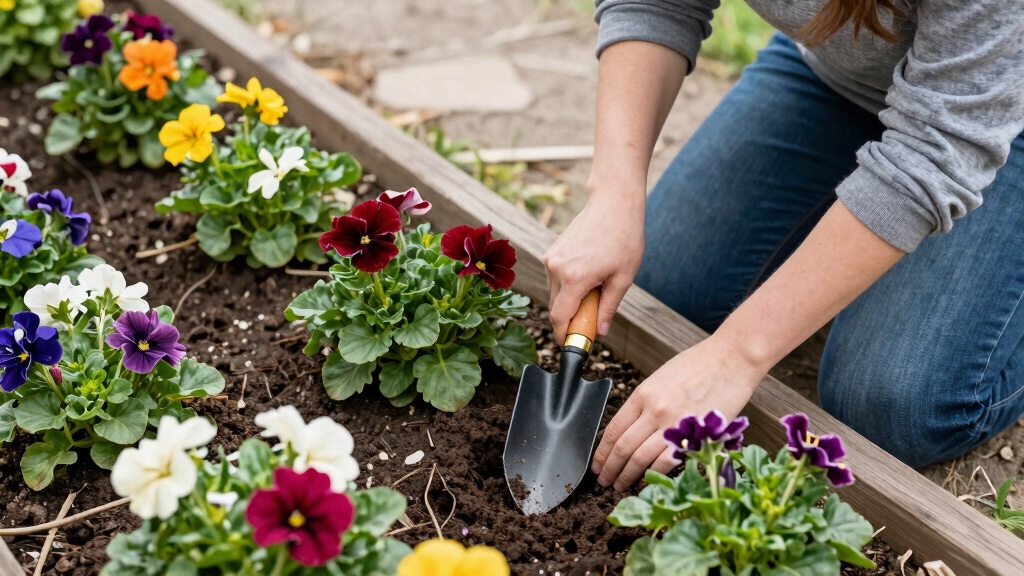
I evaluated these perennial plants based on their overall performance in typical garden settings, ease of growth, and longevity of blooms. Durability and low maintenance requirements were prioritized, especially for gardeners seeking reliable color year after year. Seed options were assessed on germination success, growth speed, and versatility in different soil conditions. The ranking also considered value for money—balancing initial cost with long-term beauty—and the plants’ ability to thrive in various climates. This approach ensures that each selected product is suited to a broad range of garden scenarios, from beginner to seasoned gardener.Factors to Consider When Choosing Best Flowering Perennial Plants
Choosing the best flowering perennial plants involves more than just their looks. Gardeners should consider several factors to match plants with their site conditions and personal preferences. Understanding these key considerations can help prevent common mistakes, like selecting plants that won’t survive your climate or require excessive care. Here are the main factors to keep in mind when selecting perennials for lasting garden color.Climate Compatibility
Not all perennials thrive in every climate zone, so matching plants to your local conditions is essential. Check your USDA hardiness zone and select varieties that are proven to grow well there. This reduces the risk of plant failure and ensures that your garden remains colorful year after year. Some plants, like Russian Sage or Hydrangeas, are more adaptable, while others may require extra protection or specific soil conditions.
Bloom Time and Duration
Consider when and how long plants will flower. Some, like Coreopsis, bloom profusely in early summer but fade quickly, while others such as the Endless Summer Hydrangea offer extended flowering periods. Planning for bloom succession can maximize garden color across seasons. Combining early, mid, and late bloomers prevents gaps in visual interest and ensures continuous attraction for pollinators.
Maintenance Needs
Different perennials demand varying levels of care. Some, like the Proven Winners Shrubs, require minimal pruning and watering, making them ideal for busy gardeners. Others, such as seed-grown lupines, need regular watering and soil prep but reward with vibrant displays. Assess your willingness and ability to tend plants regularly, and select accordingly to avoid frustration or plant loss.
Growth Habit and Size
Understanding how big a plant will grow helps prevent overcrowding and ensures aesthetic balance. Some perennials, like the Spirea Shrub, can reach several feet, while others like Dianthus stay compact. Consider your available space and the desired garden structure. Also, check if the plant spreads or self-seeds, which could influence long-term garden planning.
Cost and Longevity
Price varies widely between seed packets and established plants. While seedlings are more affordable initially, they take longer to establish and bloom. Mature plants, although costlier upfront, provide immediate color and often require less care early on. Balancing your budget with how quickly you want a full, colorful garden is key. Long-lived perennials offer better value over time, avoiding frequent replanting.
Frequently Asked Questions
Are perennial plants suitable for beginner gardeners?
Many perennial plants are excellent choices for beginners because they tend to be low-maintenance and forgiving of minor mistakes. Options like coreopsis and certain shrubs require minimal pruning and thrive in average soil conditions. Starting with well-known, adaptable varieties can build confidence and help develop gardening skills as you learn what works best in your specific environment.
When is the best time to plant flowering perennials?
The ideal planting time generally depends on your climate, but early spring or fall are usually best for most perennials. Planting in these periods allows roots to establish before extreme temperatures. Proper timing ensures healthier growth and more vigorous flowering, especially for seed-grown options that need time to develop strong root systems for their first blooms.
How can I ensure my perennials bloom for longer?
Providing adequate sunlight, proper watering, and occasional fertilization helps extend the blooming period. Deadheading spent flowers encourages plants like spirea and hydrangeas to produce new blooms. Also, selecting varieties suited to your climate and soil improves overall health, leading to more sustained flowering and fewer issues with pests or diseases.
Are seed-grown perennials as reliable as purchased plants?
Seed-grown perennials can be rewarding and cost-effective, but they often take longer to establish and bloom compared to bought mature plants. Their success depends on proper sowing techniques, soil quality, and climate conditions. For instant color and guaranteed results, purchasing established plants might be preferable, especially for first-time gardeners or those with limited growing seasons.
What should I consider when mixing different perennial varieties?
When combining different perennials, consider their growth habits, bloom times, and light requirements. Mixing plants with staggered bloom periods creates continuous color, while varying heights adds visual interest. Be cautious of plants that spread aggressively, which could crowd out slower-growing varieties. Proper spacing and planning ensure a balanced, thriving garden.
Conclusion
For the most versatile and reliable choice, the Live Coreopsis (2 Pack) stands out as the best overall, offering vibrant color with minimal fuss. Gardeners seeking affordability and a wide variety of options might prefer seed-based selections like the ZEshops Lupine Seeds or Purple Columbine Seeds. Those with more space and a desire for instant impact may find the Perfect Plants Gardenia or Proven Winners Shrubs ideal. Beginners should focus on low-maintenance, easy-to-grow varieties, while experienced gardeners can experiment with specialized or pollinator-friendly options for a more dynamic display. Ultimately, choosing the right perennial depends on your climate, space, and gardening goals—use this guide to make an informed decision tailored to your needs.
Labor Day sales Picks
labor day deals
As an affiliate, we earn on qualifying purchases.