
TL;DR
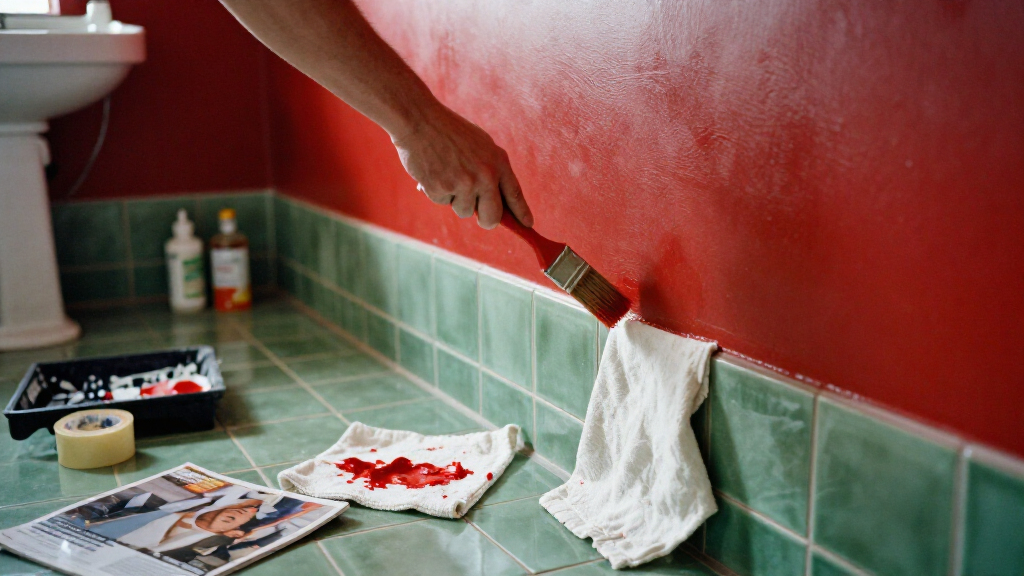
Audrey Fletcher used brick-red paint to refresh her rental bathroom while keeping its original 1950s green tile and fixtures as the focal point. The Apartment Therapy report says the one-day project used leftover paint and supplies from a local Habitat ReStore; the exact cost and paint brand were not reported.
Renter Audrey Fletcher refreshed her bathroom with brick-red paint, seeking to make its original 1950s green tiles and fixtures the room’s focal point. Apartment Therapy reported that the makeover took one day and relied on paint and secondhand-store finds rather than a major renovation.

Get business pricing on tools and workshop supplies
- Business-only prices and quantity discounts
- Tax-exempt purchasing
- Multiple users, one account, clear invoices
Fletcher lives in an apartment in a building that was converted from a 1940s movie theater. She told Apartment Therapy that the bathroom had beige walls but retained green tile from the 1950s. Her goal was to honor the building’s history and existing features while moving the room away from the standard beige rental look.
She said she first sought her landlord’s approval. According to Fletcher, the landlord allowed changes that would add value, while her lease prohibited wallpaper. She therefore focused on paint, which she described as an option that could be painted over later. The report does not specify whether the landlord reviewed the finished bathroom or approved particular paint products.
Choosing a color took more thought than the application. Fletcher said she had tested other paints she already owned before finding inspiration in a green-and-brick-red combination on Pinterest. She then found brick-red paint at a local Habitat ReStore. Before painting, she sealed some tiles with paintable caulk and used a roller to apply the color. The report says she completed the work in a day, but does not identify the paint brand, quantity, total cost or exact surfaces covered.
A Low-Cost Update Around Original Tile
The project shows one approach to changing a rental bathroom’s appearance while preserving its existing tile and fixtures. Rather than removing historic finishes, Fletcher used a strong wall color to draw attention to them. That choice matters in older rentals, where original features may be difficult or costly to replace and tenants may face limits on permanent changes.
The reported use of leftover paint and ReStore supplies also illustrates how reuse can reduce the need to buy new materials. Fletcher said shopping at the local store saved her hundreds, but the article does not provide a receipt or itemized budget to verify the savings. The makeover is an individual example, not evidence that the same approach or result will work in every rental bathroom.
Popular right now

Dyson V12 Detect Slim Absolute Cordless Stick Vacuum

Breville Barista Express Espresso Machine with Built-In Grinder, Brushed Stainless Steel

Sony WH-1000XM6 Wireless Noise-Canceling Headphones, Black
As an affiliate, we earn on qualifying purchases.
From Theater Building to Rental Bathroom
Apartment Therapy’s before-and-after report places the bathroom refresh within Fletcher’s broader effort to make a beige rental feel more connected to the building’s past. The building has had several uses, she said, and the apartment retains many original fixtures and tiles. The green tile and the building’s history shaped her decision to use a red accent rather than cover or remove the existing material.
Fletcher described the project as renter-friendly because it relied on paint and followed the lease restriction on wallpaper. However, the source does not say whether the paint was applied to tile itself or only to the surrounding room surfaces. It also does not provide technical details about the caulk, surface preparation or paint suitability for a bathroom’s moisture conditions.
“I really wanted the tile to be the star.”
— Audrey Fletcher, speaking to Apartment Therapy
Project Cost and Paint Details
The source does not disclose the bathroom’s total makeover cost, the paint brand or the amount of leftover paint used. It also does not describe the landlord’s response after the work, whether the finish can be fully reversed, or how the paint is holding up over time. Although the report says Fletcher sealed some tiles with paintable caulk, it does not clarify the exact location of that caulk or whether any tile was painted.
Fletcher’s statement that ReStore shopping saved her hundreds is attributed to her; the article provides no comparison prices or itemized figures. The available account is a homeowner-style makeover report, not a technical assessment of bathroom paint performance or lease requirements across different properties.
No Further Work Reported
Apartment Therapy’s account presents the bathroom as finished and includes no announced follow-up, additional renovation stage or planned inspection. Fletcher told the publication she would not change anything about the result. Any longer-term assessment of the finish, or confirmation of how the landlord views the completed update, was not included in the report.
Key Questions
What changed in Audrey Fletcher’s bathroom?
Fletcher used brick-red paint to refresh her rental bathroom while keeping its original green tile and fixtures in place, according to Apartment Therapy.
How long did the makeover take?
The report says Fletcher completed the painting work in one day. It does not give a more detailed schedule or say whether preparation and cleanup were included in that estimate.
Did the landlord approve the project?
Fletcher said she approached her landlord before starting and was told she could make changes that added value. Her lease prohibited wallpaper, so she chose paint. The report does not detail approval of the finished work or the specific products used.
How much did the bathroom refresh cost?
The article does not provide a total cost. Fletcher said she reused paint and bought items at a local Habitat ReStore, which she believes saved her hundreds, but no itemized figures are reported.
Source: apartmenttherapy.com