TL;DR
Dull mower blades cause increased resistance, forcing batteries to work harder and drain faster. Keeping blades sharp boosts runtime by up to 50%, saving you time and effort on every mow.
Imagine finishing a lawn, only to find your battery nearly dead. The culprit? Dull blades. You might think blade maintenance is minor, but it’s a game-changer for battery efficiency.
In this guide, you’ll see how blade sharpness directly affects your mower’s runtime, and how a few simple steps can extend that precious battery life while giving your lawn a cleaner, healthier cut.
Dull blades increase resistance, forcing your mower to use more energy and drain batteries faster.
Sharpen blades regularly—at least once per season—to extend runtime and improve cut quality.
Properly balanced blades prevent vibrations and uneven wear, prolonging blade and mower lifespan.
Investing in better blades or sharpening tools can save money and boost efficiency over time.
Monitoring blade condition is essential for maintaining lawn health and mower performance.
Dull Blades Drain Batteries: How Sharpness Affects Mower Runtime
TL;DR: Dull mower blades create extra resistance, forcing the motor to pull more power from the battery. Keeping blades sharp can boost runtime by up to 50% while giving grass a cleaner, healthier cut.
Dull edges make the motor work harder against torn grass and uneven resistance.
A neglected 60V mower can lose roughly 15 minutes from a single charge.
A sharp blade is not just a cleaner cut. It is a battery-saving habit.
Possible extension when a dull blade is restored to a clean cutting edge.
Typical mowing-hour interval before inspecting and touching up the blade.
Sharpen at least once per mowing season, more often in tough conditions.
Every sharpened blade should be balanced to reduce vibration and wear.
Sharp blades slice. Dull blades tear, drag, and waste charge.
A clean edge cuts through grass with less resistance. A rounded or nicked edge beats grass apart, which raises motor load, drains the battery faster, and leaves ragged tips that are more vulnerable to disease.
More drag per pass
Dull blades force the mower to push through grass instead of shearing it cleanly, especially in thick or damp lawns.
Ragged grass edges
Torn blades of grass brown faster and create openings for stress and disease, reducing the polished look of the lawn.
Harder motor work
Higher resistance means higher power draw, more heat, shorter mowing sessions, and extra wear on battery and motor parts.
Power demand rises before the lawn looks terrible.
Listen for strain, watch for ragged grass tips, and inspect the edge before a runtime problem turns into a mower problem.
30-50%![SporGain [Updated] Lawn Mower Blade Sharpener 15°-45° Adjustable Frame with Ball Bearing Manufacture Handle for Right & Left Hand Blades, Use with Angle Grinder, Black](https://m.media-amazon.com/images/I/316WNsRboGL._SL500_.jpg)
SporGain [Updated] Lawn Mower Blade Sharpener 15°-45° Adjustable Frame with Ball Bearing Manufacture Handle for Right & Left Hand Blades, Use with Angle Grinder, Black
[ Updated ] Lawn Mower Blade Sharpener: SporGain mower blades sharpener suitable for Blades standard straight, mulching and…
As an affiliate, we earn on qualifying purchases.
As an affiliate, we earn on qualifying purchases.
The dull-blade drain happens step by step.
Battery loss is not mysterious. Each rough cut compounds into more resistance, more current draw, and less time before the pack needs charging.
Edge rounds off
Sand, stems, debris, and ordinary use remove the cutting bite.
Grass tears
The blade bruises and shreds instead of slicing cleanly.
Resistance rises
The deck meets thicker drag with every rotation.
Motor pulls more
Current draw increases to keep blade speed stable.
Battery fades
Runtime drops, heat rises, and the cut still looks worse.
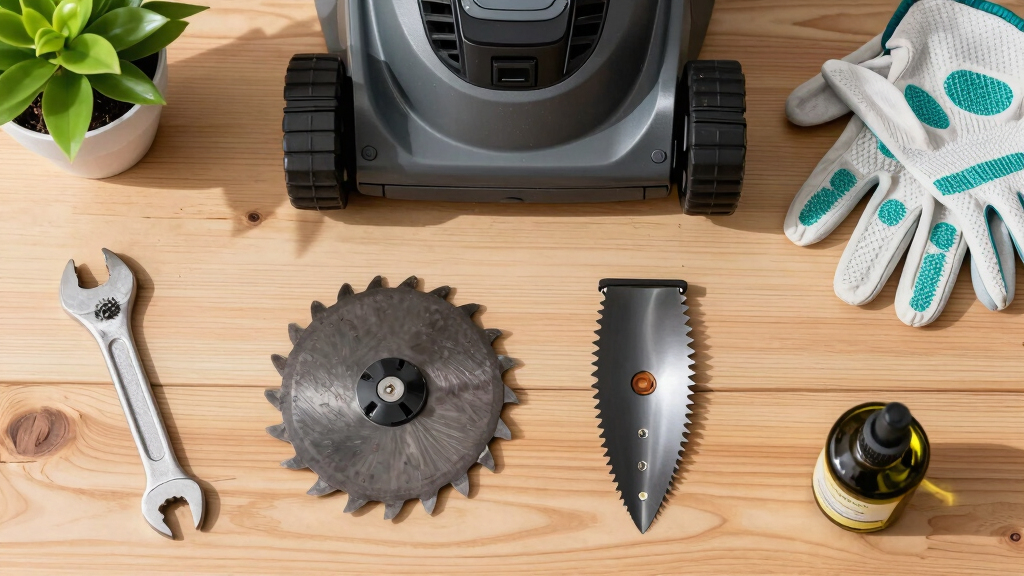
Do the glove test.
With the mower powered down and the battery removed, inspect the blade edge while wearing gloves. A blunt, rounded, nicked, or warped edge deserves attention before the next full mow.

Greenworks 17" Replacement Lawn Mower Blade, 17" Compatible with 24V x 2 / 40V / 60V Brushless Mowers
Genuine GreenWorks Replacement Part -Compatible with Greenworks 17" brushless mowers including 24V x 2 (BOCWNLN9GF, B091H2YLQH, BOCT3Y7KLF, B0G4FV5VR7,…
As an affiliate, we earn on qualifying purchases.
As an affiliate, we earn on qualifying purchases.
What changes in the mower, the battery, and the lawn?
Sharpness affects more than appearance. It changes workload, runtime, grass recovery, and long-term equipment strain.
| Feature | Dull Blades | Sharp Blades | Runtime Signal |
|---|---|---|---|
| Cut Quality | ✗Ragged, torn grass that can invite browning and disease. | ✓Clean, precise cut that supports uniform growth. | ~Cleaner cuts usually mean fewer repeat passes. |
| Motor Load | ✗Higher resistance from tearing and uneven deck load. | ✓Lower resistance, smoother blade speed, less strain. | ✓Reduced load protects battery charge. |
| Battery Life | ✗Often shortened by 30-50% from increased power draw. | ✓Potentially up to 50% longer runtime on a single charge. | ✓More lawn finished before recharge. |
| Grass Health | ✗More damage, uneven growth, and stressed grass tips. | ✓Healthier, cleaner recovery after mowing. | ~Less stress means a better-looking yard. |
| Mower Wear | ✗Extra vibration and strain can shorten component life. | ✓Balanced blades reduce vibration and uneven wear. | ✓Maintenance prevents avoidable repairs. |
SporGain [Updated] Lawn Mower Blade Sharpener 15°-45° Adjustable Frame with Ball Bearing Manufacture Handle for Right & Left Hand Blades, Use with Angle Grinder, Black
[ Updated ] Lawn Mower Blade Sharpener: SporGain mower blades sharpener suitable for Blades standard straight, mulching and…
As an affiliate, we earn on qualifying purchases.
As an affiliate, we earn on qualifying purchases.
Four habits that keep runtime from leaking away.
Blade care is simple, but the payoff is large: cleaner cuts, longer sessions, quieter operation, and fewer frustrating half-mowed recharges.
Check the edge
Look for nicks, rounded sections, warping, and ragged grass after mowing.
Restore bite
Use a file, electric grinder, or rotary sharpener while following safety guidance.
Stop vibration
Balanced blades protect bearings, reduce noise, and prevent uneven deck strain.
Know the limit
Excessively worn, cracked, bent, or thin blades should be replaced, not rescued.
How often should blades be sharpened?
Every 10-15 hours of mowing or at least once per season. Sharpen sooner if cut quality drops.
Can dull blades harm the motor or battery?
Yes. Higher resistance can raise power draw by up to 50%, adding heat and strain over time.
Does sharpening improve mowing speed?
It can. Less drag lets the mower maintain blade speed and reduces the need for repeat passes.
Are premium blades worth it?
Durable blades that hold an edge longer can save time, charge cycles, and maintenance effort.
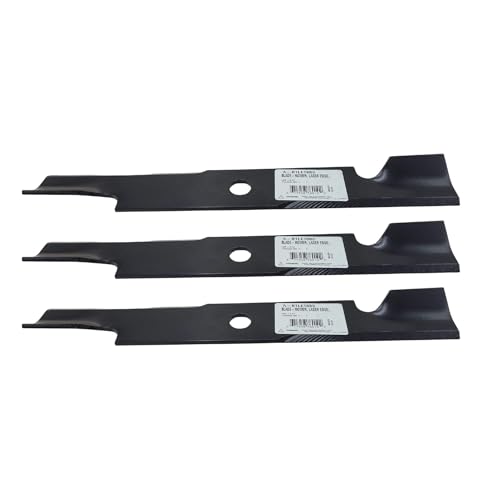
(3-Pack) 52" LaserEdge Self-Sharpening Lawn Mower Blades Compatible with Exmark (18" Long w/ 15/16" C.H., Notched)
3 pack of Laseredge Self-Sharpening Lawn Mower Blades
As an affiliate, we earn on qualifying purchases.
As an affiliate, we earn on qualifying purchases.
Trace the payoff from one sharp edge.
Cleaner contact with each grass blade.
Less resistance against the motor.
More minutes from the same battery.
Cleaner recovery and less browning.
Less time waiting on a recharge.
Why Sharp Blades Save Your Battery Life — And How to Spot Dullness
Sharp blades slice through grass effortlessly, requiring less power from your mower’s motor or battery. When blades become dull, they tear rather than cut, which creates uneven, ragged edges on your grass. This tearing not only damages your lawn’s health by making it more susceptible to disease but also causes the mower to work harder to achieve a decent cut, increasing energy consumption. Recognizing dullness is crucial because the longer blades remain unsharpened, the more strain is put on your mower’s motor and battery, leading to shorter runtime and potential damage. Regularly inspecting your blades for uneven edges or nicks, feeling for bluntness with gloves, and observing the mower’s sound and resistance can help you determine when it’s time for sharpening. Addressing dull blades promptly ensures your mower operates efficiently, saving energy and prolonging equipment lifespan.
How Dull Blades Make Batteries Work Harder (And Waste Power)
When blades are dull, they fail to cut grass cleanly, forcing your mower’s motor to exert more effort to achieve a similar cut. This increased effort translates directly into higher power consumption because the motor works against greater resistance, which in turn drains the battery faster. Think of it like trying to cut through thick fabric with dull scissors—you have to press harder, and it takes more energy. Over time, this extra strain can cause the battery to deplete more quickly than expected, reducing your overall mowing time. For example, a homeowner with a 60V battery mower found that neglecting blade sharpening reduced her runtime from 45 minutes to just 30 minutes. Regularly sharpening blades ensures the motor operates with less resistance, maintaining optimal battery efficiency, and preventing premature wear on the motor and battery components.
Compare: Dull vs. Sharp Blades — What Changes in Your Mower?
| Feature | Dull Blades | Sharp Blades |
|---|---|---|
| Cut Quality | Ragged, torn grass, which can damage the grass and invite disease | Clean, precise cut that promotes healthy growth and a uniform appearance |
| Motor Load | Higher resistance due to tearing and uneven cuts, causing increased strain | Lower resistance, allowing the motor to operate smoothly and efficiently |
| Battery Life | Shorter, often dropping 30-50% due to increased resistance and effort | Extended, potentially up to 50% longer, because less effort is needed |
| Grass Health | More damage, increased risk of disease and uneven growth | Healthier, uniform lawn with less stress on the grass |
Understanding these differences highlights why maintaining sharp blades isn’t just about aesthetics—it’s a critical factor in lawn health and mower efficiency. Dull blades compromise the quality of your cut and cause your equipment to work harder, which can lead to faster wear and higher energy costs. Conversely, sharp blades facilitate a cleaner cut that reduces stress on your mower and promotes healthier grass, ultimately saving you money and effort in the long run.
Frequently Asked Questions
How often should I sharpen my mower blades?
Generally, sharpen blades every 10-15 hours of mowing or once per season. If you notice ragged cuts or increased effort, it’s time to sharpen or replace them.Can dull blades damage my mower’s battery or motor?
Yes. Dull blades cause your mower to work harder, increasing power draw by up to 50%. Over time, this extra strain can shorten your battery’s lifespan and strain the motor.What tools are best for sharpening mower blades?
Use a quality sharpening file, an electric blade grinder, or a dedicated rotary sharpener. Follow safety guidelines, wear gloves, and ensure blades are balanced after sharpening.How does blade sharpness influence battery life in electric mowers?
Sharp blades reduce resistance, meaning your battery doesn’t have to work as hard. This can extend runtime by 30-50%, allowing you to mow more on a single charge.What signs tell me my blades need sharpening or replacing?
Look for ragged grass edges, increased mowing effort, strange noises, or visible nicks and warping. Regular inspections prevent damage and maintain efficiency.Conclusion
Remember, a sharp blade isn’t just about cleaner cuts — it’s about smarter mowing. Every dull edge costs you precious battery runtime and lawn health.
Keep your blades sharp, and your mower will run longer, cut cleaner, and give your lawn that pristine look you want. A simple habit today saves effort tomorrow — don’t let dull blades drain your batteries.