TL;DR

Get business pricing on tools and workshop supplies
- Business-only prices and quantity discounts
- Tax-exempt purchasing
- Multiple users, one account, clear invoices
A September 2026 NAHB/Wells Fargo survey found that reported labor shortages increased in 14 of 16 homebuilding trades compared with April 2025. The median reported labor-cost increase for the same home over the prior 12 months was 4.2%; the survey does not establish how shortages affect individual project schedules or home prices.
Labor shortages were reported more widely across homebuilding trades in September 2026 than in April 2025, according to the latest NAHB/Wells Fargo Housing Market Index survey. Builders also reported a 4.2% median increase in labor costs for the same home over the previous 12 months, findings that point to continued cost and staffing pressures for residential construction.
The survey asked builders about labor availability in 16 specific trades, covering workers employed directly by the builders. The share reporting either a serious or some shortage ranged from 33% for excavators and building maintenance managers to 58% for finished carpentry workers.
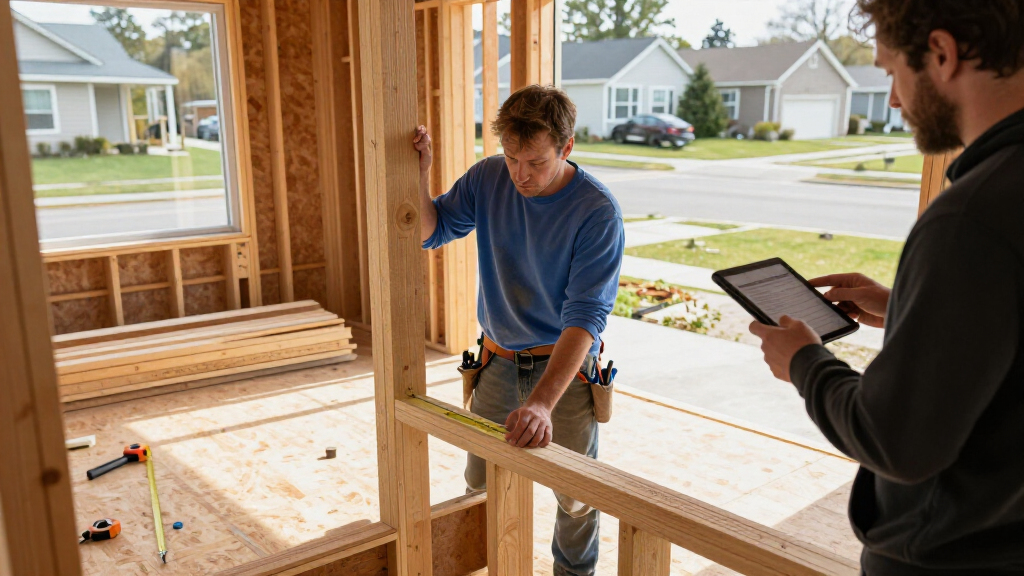
Shortage reports increased at least slightly in 14 of the 16 trades compared with the previous survey in April 2025. Plumbing shortages held at 45% and HVAC shortages at 43%. Framing crews saw the largest increase: their shortage rate rose 9 percentage points to 57%. Landscaping workers rose 7 points to 39%, while roofers rose 6 points to 36%.
Across nine trades NAHB has tracked consistently since 1996, the reported shortage rate averaged 47% in September 2026, up from 42% in April 2025. The report also gives a median 4.2% year-over-year labor-cost increase for the same home. These are survey findings; they do not quantify how much of the cost increase is attributable to shortages alone.
Staffing Pressure Meets Higher Costs
The findings matter to builders because shortages across trades can constrain the workforce available to build homes, while rising labor costs add to the expense of construction. The survey documents both pressures but does not measure their specific effects on construction timelines, project cancellations or home prices.
The comparison with housing starts highlights the unusual combination of reported shortages and a lower pace of construction. The report says the 47% average across the nine consistently tracked trades is above any reading during the 2004–2006 housing boom, when annual housing starts were consistently over 1.8 million. By comparison, August 2026 starts were reported at an annualized rate below 1.3 million. The figures describe different measures—surveyed shortages and housing starts—and do not by themselves explain the reasons for the gap.
As an affiliate, we earn on qualifying purchases.
Shortages After the Pandemic Decline
The latest reading follows a period in which reported residential construction labor shortages declined consistently from 2022 through 2025, after peaking during the COVID-19 pandemic. The September survey indicates that the trend then reversed, with increases in most of the trades compared with April 2025.
NAHB’s nine-trade series provides a longer comparison than the survey’s full list of 16 trades. Its September 2026 average was five percentage points above the April 2025 result. The report does not provide a single cause for the shift, so it cannot establish whether the increase reflects changes in worker availability, builder demand, or other factors.
construction labor cost calculator
As an affiliate, we earn on qualifying purchases.
As an affiliate, we earn on qualifying purchases.
Survey Findings Leave Causes Open
The source report summarizes builders’ responses but does not state the survey’s sample size, response rate, or margin of error. It also does not provide detailed results for every trade beyond the shortage percentages and selected changes cited. The findings should be read as reported builder assessments, not a direct count of unfilled jobs or workers.
It remains unclear what is driving the renewed increase in shortages, whether the trend will persist in subsequent surveys, and how much labor costs may change. The report also does not quantify how the reported pressures feed through to the price or availability of newly built homes.
As an affiliate, we earn on qualifying purchases.
Next Survey Will Test the Trend
The next comparable NAHB labor-shortage survey would show whether the September increases continue or ease. Until then, the latest figures establish a rise relative to April 2025, but do not confirm a longer-term upward trend after the previous decline.
Builders, housing industry groups and readers tracking construction costs can also watch future housing-starts data and labor-cost reporting for signs of how staffing conditions relate to the pace and expense of homebuilding. The source report does not give a date for the next survey or forecast when shortages may improve.
As an affiliate, we earn on qualifying purchases.
Key Questions
Which homebuilding trade reported the highest shortage rate?
Finished carpentry workers had the highest reported shortage rate among the 16 trades, at 58%, according to the September 2026 survey.
Which trades saw the biggest increases in shortages?
Framing crews recorded the largest increase, rising 9 percentage points to 57% compared with April 2025. Landscaping workers rose 7 points to 39%, and roofers rose 6 points to 36%.
How much did builders report labor costs rising?
The median increase in labor costs for the same home over the previous 12 months was 4.2%. The report does not say that shortages alone caused this increase.
Did shortages rise in every trade?
No. Reports of shortages increased at least slightly in 14 of 16 trades. Plumbing remained at 45% and HVAC at 43%, unchanged from the April 2025 survey.
Source: rss
Halloween Picks
halloween
As an affiliate, we earn on qualifying purchases.