
TL;DR

Get business pricing on tools and workshop supplies
- Business-only prices and quantity discounts
- Tax-exempt purchasing
- Multiple users, one account, clear invoices
A Hunker report says riding lawn mowers should be prepared before seasonal storage, including in areas with mild winters. It highlights fuel stabilization and battery care as priorities, while the right procedure can vary by mower and manufacturer.
Riding lawn mowers should be prepared before they are stored for winter, according to a Hunker report, which says months without use can contribute to fuel-system trouble, corrosion and battery discharge. The report identifies fuel stabilization and battery maintenance as the most important steps for owners short on time, and says winter preparation can matter even where freezing weather is uncommon.
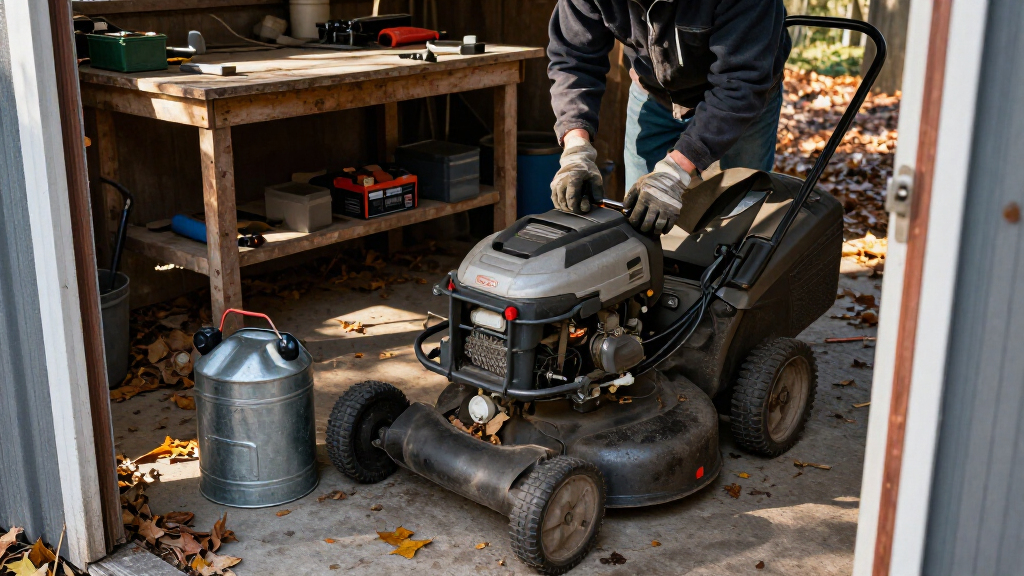
The report advises owners to begin winter preparation when they have finished mowing for the season. Keeping a mower under cover helps limit exposure to snow and ice, which the report says can contribute to brittle plastic, electrical problems and rust. Heavy snow may also press on mower components, potentially affecting the deck, chute, wheels or alignment. These are risks described by the report, not outcomes that will happen to every machine.
Fuel and battery care are the priorities if an owner cannot complete every storage task, Hunker says. Gasoline can begin to break down after about a month, according to the report, while ethanol-blended fuel can absorb moisture. Over an extended storage period, that may contribute to corrosion or deposits in the fuel system. The report recommends adding a fuel stabilizer according to its product directions, or removing remaining fuel; it notes that draining fuel can mean additional carburetor cleaning later.
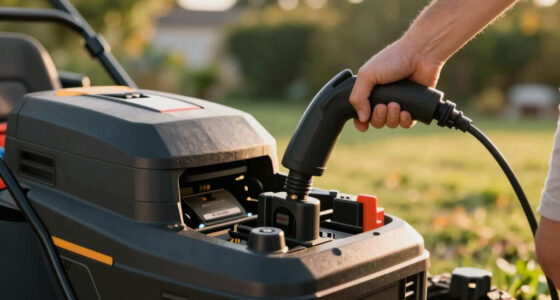
For the battery, Hunker recommends disconnecting it before storage, checking its terminals for corrosion and cleaning buildup with a suitable product or metal brush. It says the battery should be wiped down and kept in a cool, dry place. The report estimates that the overall process may take one or two hours, but that is a general estimate rather than a guarantee for every mower or maintenance condition.
Protecting Mowers During Storage
Seasonal storage can last for months, giving fuel time to deteriorate and a battery time to lose charge even when a mower is sheltered from snow. Addressing those issues before storage may reduce the likelihood of starting or fuel-system problems when mowing resumes. The report also points to possible physical damage from prolonged exposure to snow and ice.
The advice matters to owners in mild-winter regions, too. Hunker says extended inactivity can create fuel and corrosion concerns independently of freezing temperatures. Preparation is therefore about both weather protection and the effects of leaving equipment unused; it is not limited to places with heavy snowfall.
As an affiliate, we earn on qualifying purchases.
When Seasonal Storage Begins
Hunker frames winterization as fall maintenance carried out after the final mowing of the year, rather than a repair performed once spring arrives. Its account focuses on a riding mower that will sit unused in a shed or garage for an extended period. Shelter is one part of that preparation, but the report emphasizes that indoor storage does not remove the need to think about fuel and battery condition.
The article presents two fuel approaches: treat fuel in the tank with a stabilizer, or remove what remains. It also notes that fuel stabilizer may be used during the mowing season. The specific steps and storage instructions can differ by machine, so the report’s general advice should be read alongside the mower’s owner manual and any product instructions.
““focusing on battery maintenance and fuel stabilization matters the most.””
— Hunker report
As an affiliate, we earn on qualifying purchases.
Mower-Specific Steps May Differ
The report offers general maintenance advice, but it does not identify a single procedure that applies to every riding mower. Model-specific instructions, including how to disconnect or store a battery and whether to drain or stabilize fuel, are not detailed in the source. Owners should check their machine’s manual before acting.
The report also describes potential problems rather than documenting how often they occur or quantifying the repair costs. Actual risk can depend on storage conditions, fuel, the mower’s condition and how long it remains unused. It does not establish that every mower left outside will suffer damage, or that winterizing guarantees trouble-free spring operation.
As an affiliate, we earn on qualifying purchases.
Prepare Before the Final Storage
After the last mowing session, owners can consult the mower manual and make a storage plan that covers fuel, battery care and a sheltered location. If using a stabilizer, follow its label directions; if removing fuel, follow the manufacturer’s guidance for the particular machine. Check the battery terminals for corrosion and store the battery as directed by the manual.
Before mowing resumes, owners can inspect the mower and address any fuel or battery problems rather than assuming seasonal preparation prevented all issues. The source gives no specific spring startup date or follow-up announcement; the next step is routine maintenance based on the owner’s equipment and local mowing season.
fuel stabilizer for gas lawn mowers
As an affiliate, we earn on qualifying purchases.
As an affiliate, we earn on qualifying purchases.
Key Questions
Do riding lawn mowers need winterizing?
Yes, seasonal preparation is recommended in the Hunker report. It says long periods without use can affect fuel and batteries even when winter weather is mild.
What are the most important winterizing steps?
The report prioritizes battery maintenance and fuel stabilization. It also recommends storing the mower under cover and following the owner’s manual for model-specific instructions.
Should I drain the mower’s fuel or add stabilizer?
Hunker describes both approaches: stabilize the fuel in the tank or remove remaining fuel. The appropriate method can depend on the mower, so check the manual and follow the stabilizer label if using one.
Does a mower need winterizing in a mild climate?
The report says preparation still matters because extended inactivity can cause fuel and corrosion issues, even without freezing temperatures.
Source: rss
Halloween Picks
halloween
As an affiliate, we earn on qualifying purchases.