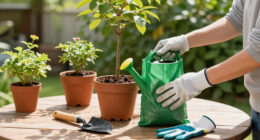
The Desert Bloom Drought-Tolerant Wildflower Mix earns my best overall pick for pairing 23 heirloom varieties with genuine low-water performance, while the Blue Glow Agave Pack stands out as the most architectural, zero-guesswork option for hot, dry beds. If budget leads your decision, the Moss Rose seed pack delivers over 24,000 seeds for the price of a single nursery plant. The main tradeoff in this category is instant structure versus first-season payoff: live succulents establish immediately but cost far more per square foot, while seed packs are cheap but demand patience, prep, and watering through germination. Read on for the full breakdown of all nine options and which fits your climate, budget, and timeline.
Listen free for 30 days with Audible
Thousands of audiobooks and originals — cancel anytime.
Start your free trialAs an affiliate, we earn on qualifying purchases.
Key Takeaways
- Live plants (agave, sempervivum) cost 5-10x more per plant than seed-based options but survive drought from day one, while every seed pick needs regular watering for its first 4-8 weeks before drought tolerance kicks in.
- Seed count is a misleading value metric: the Moss Rose pack’s 24,500+ seeds covers far more ground than the Blue Sage pack’s 5,000 because germination rates and plant spread differ dramatically.
- Perennials (Blue Sage, Blue Fescue, agave, sempervivum) take a season to establish but return yearly, whereas annuals like Moss Rose and Gazania bloom fast but must be reseeded.
- Regional climate fit separated the top picks more than any feature — wildflower mixes perform wildly differently in the Southwest versus the humid Southeast, where ‘drought tolerant’ often fails in heavy clay.
- The Sempervivum pack is the only option rated for cold-winter drought tolerance, making it the standout for gardeners in zones 4-8 who face dry winters, not just dry summers.
| Blue Glow Agave Pack – 4 Plants – Drought-Tolerant Succulents |  | Best Overall | Quantity: 4 live plants | Pot Size: 4-inch nursery pots | Mature Height: Under 2 feet | VIEW LATEST PRICE | See Our Full Breakdown |
| Drought Tolerant Herb and Flower Seeds for Planting – 8 Variety Pack |  | Best Value for Edible Gardens | Varieties Included: Lavender, Blue Sage, California Poppy, Thyme, White Sage, Marjoram, Culinary Sage, Oregano | Planting Period: Spring | Blooming Period: Spring to fall | VIEW LATEST PRICE | See Our Full Breakdown |
| Mountain Crest Gardens Sempervivum Succulent Variety Pack – 12 Hardy Live Rosette Plants in 2 Inch Pots |  | Best for Cold Climates | Quantity: 12 plants, no repeated varieties | Pot Size: 2-inch nursery pots | USDA Hardiness Zone: 5-10 | VIEW LATEST PRICE | See Our Full Breakdown |
| 24500+ Moss Rose Seeds for Planting – Non-GMO Flower Seeds for Ground Cover, Annual Blooming Flowers |  | Best for Ground Cover on a Budget | Scientific Name: Portulaca grandiflora | Quantity: Over 24,500 seeds | Bloom Size: 2 inches | VIEW LATEST PRICE | See Our Full Breakdown |
| Desert Bloom Drought-Tolerant Wildflower Mix – 23 Heirloom Varieties, 12,000+ Seeds (40g) |  | Best for Large-Scale Xeriscapes | Seed Varieties: 23 heirloom species (annuals and perennials) | Seed Count: 12,000+ | Weight: 40g | VIEW LATEST PRICE | See Our Full Breakdown |
| SunHaven Seeds Drought Tolerant Wildflower Mix, 1 oz, 20,000+ Seeds |  | Best for Large-Area Coverage | Seed Count: 20,000+ seeds (1 oz) | Coverage: Approximately 100 sq ft per packet | Bloom Period: Spring through fall | VIEW LATEST PRICE | See Our Full Breakdown |
| 50+ Blue Fescue Ornamental Grass Seeds |  | Best for Structure and Winter Interest | Plant Type: Perennial ornamental grass | Seed Count: 50+ seeds | Height: 10-12 inches | VIEW LATEST PRICE | See Our Full Breakdown |
| Wivolibe 300 Gazania Seeds Mix – Heat & Drought Tolerant Flowers and Ground Cover |  | Best Budget Color for Hot Sunny Beds | Seed Count: 300 seeds | Bloom Size: Up to 4 inches | Plant Size: 8-10 inches tall, 6-8 inch spread | VIEW LATEST PRICE | See Our Full Breakdown |
| Outsidepride Blue Sage Seeds – 5000 Pcs, Perennial, Deer-Resistant Wildflower |  | Best for Pollinator Borders in Warm Zones | Plant Type: Perennial (Salvia farinacea) | Seed Count: 5,000 seeds | Height: 24-36 inches | VIEW LATEST PRICE | See Our Full Breakdown |
| drought tolerant garden plant | Seed Count |
|---|---|
| Blue Glow Agave Pack | — |
| Drought Tolerant Herb and Flow | — |
| Mountain Crest Gardens Semperv | — |
| 24500+ Moss Rose Seeds for Pla | — |
| Desert Bloom Drought-Tolerant | 12,000+ |
| SunHaven Seeds Drought Toleran | 20,000+ seeds (1 oz) |
| 50+ Blue Fescue Ornamental Gra | 50+ seeds |
| Wivolibe 300 Gazania Seeds Mix | 300 seeds |
| Outsidepride Blue Sage Seeds | 5,000 seeds |
More Details on Our Top Picks
Blue Glow Agave Pack – 4 Plants – Drought-Tolerant Succulents
For pure drought performance with year-round structure, Blue Glow Agave is the pick I would put at the top of any low-water garden list. Unlike the seed-based options in this roundup, these arrive as established live plants, so there’s no germination gamble — the sculptural blue-green rosettes with red and golden margins deliver visual impact immediately. Each stays under 2 feet tall, which makes the 4-pack far more space-efficient than sprawling options like the Desert Bloom Wildflower Mix. The tradeoff is hardiness range: this agave only survives winters in USDA zones 8-11, whereas the Sempervivum pack shrugs off snow in zone 5. Sharp leaf spines also rule out high-traffic patios or homes with curious pets and toddlers.
Pros:- Established live plants — no germination wait or failure risk
- Compact under 2 feet, ideal for containers and small xeriscapes
- Deer resistant, disease resistant, and thrives on little to no watering
- Year-round color and structure, unlike seasonal seed blends
Cons:- Limited to USDA zones 8-11 — will not survive cold winters outdoors
- Sharp terminal spines make placement around walkways, kids, and pets risky
Best for: Gardeners in warm zones (8-11) who want instant, sculptural, year-round structure with near-zero watering
Not ideal for: Cold-climate gardeners below zone 8, or anyone with small children and pets, since the leaf spines are genuinely sharp
- Quantity:4 live plants
- Pot Size:4-inch nursery pots
- Mature Height:Under 2 feet
- Sunlight Exposure:Full sun to partial shade
- USDA Hardiness Zone:8-11
- Moisture Needs:Little to no watering
- Special Features:Deer resistant, drought tolerant, low maintenance
- Brand:MicroStarts
Our verdict“Warm-zone gardeners who want immediate, permanent, near-waterless garden structure should buy this 4-pack and skip the seeds entirely.”
Drought Tolerant Herb and Flower Seeds for Planting – 8 Variety Pack
This 8-variety pack stands out because it’s the only option here that makes your drought garden edible. Lavender, thyme, oregano, marjoram, and two sages sit alongside California poppy for a mix that pulls double duty as kitchen herbs and pollinator habitat. Compared with the Moss Rose seed pack, you get far more variety per dollar, though far fewer total seeds and much slower establishment — Mediterranean herbs are notoriously patient growers. Coverage across zones 5-10 also beats the Blue Glow Agave’s zone 8-11 range by a wide margin for northern gardeners. The honest drawback: you’ll need to start these in spring and wait a full season for herb plants to mature, while live-plant buyers are already enjoying their garden.
Pros:- Eight heirloom, non-GMO varieties combining herbs and flowers
- Wide hardiness range across zones 5-10
- Doubles as a kitchen herb garden and pollinator habitat
- Very low water needs once established
Cons:- Slow establishment from seed compared with live-plant options
- Requires full sun and adequate spacing for 24-inch mature height
Best for: Budget-minded gardeners in zones 5-10 who want culinary herbs and pollinator flowers from one low-water planting
Not ideal for: Gardeners wanting quick results — herbs like lavender and sage can take a full season or more to establish from seed
- Varieties Included:Lavender, Blue Sage, California Poppy, Thyme, White Sage, Marjoram, Culinary Sage, Oregano
- Planting Period:Spring
- Blooming Period:Spring to fall
- Sunlight Exposure:Full sun
- Expected Height:Up to 24 inches
- Moisture Needs:Little to no watering
- Seed Type:Heirloom, non-GMO
- USDA Hardiness Zone:5-10
Our verdict“If you want your waterwise garden to feed you as well as look good, this herb and flower blend offers more practical value than any ornamental-only pick here.”
Mountain Crest Gardens Sempervivum Succulent Variety Pack – 12 Hardy Live Rosette Plants in 2 Inch Pots
Sempervivum earns its common name — hens and chicks — honestly, and this 12-pack is the cold-hardiness champion of the lineup. Where the Blue Glow Agave dies off below zone 8, these rosettes survive snow and freezing temperatures in zones 5-10, making them the only live-plant option for northern gardeners. Getting 12 unique varieties with no repeats also means more color and texture diversity than the agave 4-pack offers. The catch is drainage: unlike moss rose seeds, which tolerate ordinary garden soil, Sempervivum will rot in prolonged wet conditions, so clay-soil gardeners need to amend heavily or use containers. They also demand full sun outdoors — shady yards will leave them stretched and pale.
Pros:- Survives snow and freezing down to zone 5
- 12 unique varieties with no repeats for diverse color and form
- Arrives rooted and established — no germination risk
- Versatile for rock gardens, containers, and arrangements
Cons:- Demands sharp drainage; rots in prolonged wet soil
- Needs full sun or strong grow lights — struggles in shade
Best for: Northern gardeners in zones 5-8 who want drought-tolerant live plants that survive winter without bringing them indoors
Not ideal for: Gardeners with heavy clay soil or shaded plots — these need sharp drainage and full sun to thrive
- Quantity:12 plants, no repeated varieties
- Pot Size:2-inch nursery pots
- USDA Hardiness Zone:5-10
- Sunlight Exposure:Full sun, partial sun
- Moisture Needs:Water deeply only when soil is dry
- Special Features:Cold-hardy, drought tolerant, low maintenance
- Materials:Coconut coir soil, living plant material, reusable pots
Our verdict“For cold-winter gardeners shut out of the agave options, this hardy 12-pack delivers drought tolerance that actually survives the freeze.”
24500+ Moss Rose Seeds for Planting – Non-GMO Flower Seeds for Ground Cover, Annual Blooming Flowers
When the job is blanketing large dry areas with color, nothing in this lineup competes on sheer volume — over 24,500 seeds for less than the cost of a single live agave. Portulaca grandiflora is a genuine heat warrior, blooming through the kind of blazing summers that shut down fussier flowers. At just 4-8 inches tall with a 12-inch spread, it fills ground-level space the Sempervivum pack simply can’t cover affordably. The tradeoffs are real, though: it’s an annual that needs replanting every year, and it can self-seed aggressively enough to crowd neighbors. Germination also requires warm soil (70-85°F), so northern gardeners should wait for genuine summer warmth rather than early spring sowing.
Pros:- Enormous seed count covers large areas at very low cost per plant
- Thrives in heat and drought that kills most flowering annuals
- Fast germination and easy for beginners
- Vibrant, long-lasting blooms in multiple colors
Cons:- Annual — requires replanting (or luck with self-seeding) every year
- May spread aggressively and crowd out neighboring plants
Best for: Gardeners covering large sunny banks, borders, or containers with inexpensive color in hot-summer climates
Not ideal for: Gardeners wanting permanent plantings — it dies off each winter and may self-seed where it isn’t wanted
- Scientific Name:Portulaca grandiflora
- Quantity:Over 24,500 seeds
- Bloom Size:2 inches
- Plant Height:4-8 inches
- Spread:Up to 12 inches
- Germination Temperature:70-85°F (21-29°C)
- Growth Rate:Fast-growing
- Plant Type:Annual, ground cover
Our verdict“For cheap, fast, vivid coverage of hot dry ground, this moss rose pack wins on value — just accept the annual replanting cycle.”
Desert Bloom Drought-Tolerant Wildflower Mix – 23 Heirloom Varieties, 12,000+ Seeds (40g)
This is the pick for meadow-scale transformations: 23 heirloom species and 12,000+ pure, filler-free seeds covering 150-200 square feet. Compared with the Moss Rose pack, the Desert Bloom mix trades instant annual color for a smarter long-game strategy — blending annuals for first-season blooms with perennials that return for years. Lab-tested germination also reduces the risk that usually comes with bulk wildflower seed. The blend thrives in poor soil and dry heat where conventional flower mixes fail, and pulls in bees and butterflies across a long season. The patience requirement is the honest cost: perennials may need a full season to establish, and gardeners in shaded or rainy regions will see lackluster results. This is a sun-and-scorch product, full stop.
Pros:- Covers 150-200 sq. ft. with 12,000+ pure seeds, no fillers
- Mixes annuals and perennials for first-year color and long-term returns
- 23 heirloom species support bees, butterflies, and biodiversity
- Thrives in poor soil and dry heat with minimal watering once established
Cons:- Perennials may take a full season to establish before showing well
- Underperforms in shaded or wet regions — strictly a full-sun, dry-climate blend
Best for: Owners of large, sunny, dry properties who want a self-sustaining pollinator meadow rather than tidy beds
Not ideal for: Small gardens or shaded, wet climates — the mix underperforms outside full-sun, arid conditions
- Seed Varieties:23 heirloom species (annuals and perennials)
- Seed Count:12,000+
- Weight:40g
- Coverage:150-200 sq. ft.
- Sunlight Exposure:Full sun
- Water Needs:Low — drought-tolerant once established
- Germination:Lab-tested high germination rate
- Fillers:None — pure seeds
Our verdict“If you have a big, hot, dry space and the patience for perennials to settle in, this meadow mix delivers more lasting ecological value than any single-species option here.”
SunHaven Seeds Drought Tolerant Wildflower Mix, 1 oz, 20,000+ Seeds
When the goal is converting a big, dry slope or meadow into color without dragging a hose across it every week, this one-ounce packet does more work per dollar than almost anything else here. It covers roughly 100 square feet with 20,000+ seeds, and the blend — Black-Eyed Susan, Plains Coreopsis, Indian Blanket, California Poppy, Purple Prairie Clover, Western Yarrow — is built for xeriscaping rather than just marketed as drought-tolerant. Compared with the Desert Bloom 23-variety mix, SunHaven offers fewer species but far more seed per packet, which matters if you’re filling space rather than curating a botanical collection. The tradeoff is patience: perennial natives like these often spend the first season establishing roots, so the first-year show is thinner than what the Moss Rose seeds deliver.
Pros:- Enormous seed count covers about 100 square feet per packet
- Proven drought-hardy natives selected specifically for low-water conditions
- Strong pollinator value for bees, butterflies, and beneficial insects
- Resealable pouch allows multiple sowing sessions and storage
Cons:- Perennial wildflowers may not bloom fully until the second season
- Informal, spreading habit won’t suit formal or manicured beds
Best for: Homeowners xeriscaping a slope, meadow, or naturalized area of 100 square feet or more who want pollinator support with minimal irrigation
Not ideal for: Gardeners wanting tidy, controlled flower beds — this mix spreads informally and looks wild rather than landscaped
- Seed Count:20,000+ seeds (1 oz)
- Coverage:Approximately 100 sq ft per packet
- Bloom Period:Spring through fall
- Sunlight:Full sun
- Moisture Needs:Low; minimal watering once established
- Included Varieties:Black-Eyed Susan, Coreopsis, Prairie Coneflower, Indian Blanket, California Poppy, Purple Prairie Clover, Western Yarrow
- Seed Type:Non-GMO
Our verdict“Buy this if you have a large dry area to fill and want long-term, low-water pollinator habitat rather than instant color.”
50+ Blue Fescue Ornamental Grass Seeds
Everything else in this roundup flowers; Blue Fescue earns its spot by doing something different — providing year-round blue-green texture that holds its color through winter. At 10–12 inches tall, it works as an edging, border foil, or the quiet backdrop that makes flashier picks like the Gazania mix pop. Its tolerance of both full sun and full shade is genuinely unusual for a drought-tolerant plant, opening up dry shade spots under trees where wildflower mixes fail outright. Hardy across zones 4 through 9, it outlasts the Blue Sage seeds, which tap out in zone 10. The honest tradeoff: it’s a texture plant, not a bloom machine, and it demands an annual cutback in early spring to stay tidy — more grooming than the Sempervivum rosettes ever need.
Pros:- Tolerates both full sun and full shade, rare among drought-tolerant plants
- Stays green through winter for year-round interest
- Hardy in zones 4-9, the widest cold range in this lineup
- Compact 10-12 inch height suits edging and containers
Cons:- Requires annual cutting back in early spring to look its best
- May need indoor starting in winter for reliable germination
Best for: Gardeners in cold climates (zones 4-6) who want evergreen, drought-tolerant structure and edging rather than flowers
Not ideal for: Anyone buying for bold seasonal color — this is foliage-first, with no showy blooms to speak of
- Plant Type:Perennial ornamental grass
- Seed Count:50+ seeds
- Height:10-12 inches
- Sunlight:Full sun to full shade
- USDA Hardiness Zones:4-9
- Foliage Color:Blue-green
- Soil Preference:Sandy, well-draining
Our verdict“Choose this when your dry garden needs evergreen bones and cold hardiness, not a flower show.”
Wivolibe 300 Gazania Seeds Mix – Heat & Drought Tolerant Flowers and Ground Cover
Gazanias are the cheapest way to flood a sunny bed with color in this lineup — 300 seeds of South African natives that shrug off heat and poor soil while producing 4-inch blooms in yellow, orange, red, pink, white, and striped combinations. On compact 8–10 inch plants that spread 6–8 inches, they function as flowering ground cover, filling the same sunny-border role as the Moss Rose seeds but with noticeably larger, bolder flowers. The catch is regional: Gazania is an annual in northern gardens, so buyers in cold zones are replanting every year, while southern gardeners get a short-lived perennial that blooms through fall, winter, and spring. Germination reliability is the other weak point — a 3.3-star rating suggests results vary more than with the Blue Fescue or Blue Sage seeds.
Pros:- Very large 4-inch multicolor blooms on compact 8-10 inch plants
- Handles heat, drought, and poor soils with little fuss
- Doubles as flowering ground cover or works in hanging baskets
- Reseeds itself readily in warm climates
Cons:- Annual in the North, requiring replanting each year
- Mixed germination reports from buyers (3.3-star average)
Best for: Southern and hot-climate gardeners who want maximum flower color per dollar in full-sun beds, borders, or patio containers
Not ideal for: Northern gardeners wanting a permanent planting — it’s an annual in cold zones and self-reseeds inconsistently
- Seed Count:300 seeds
- Bloom Size:Up to 4 inches
- Plant Size:8-10 inches tall, 6-8 inch spread
- Sunlight:Full sun
- Life Cycle:Annual in North; short-lived perennial in South
- Bloom Season:Early summer until frost; year-round in mild climates
- Soil Tolerance:All soil types
Our verdict“A low-cost color splash for hot sunny spaces — best for patient southern gardeners, riskier for northerners and beginners.”
Outsidepride Blue Sage Seeds – 5000 Pcs, Perennial, Deer-Resistant Wildflower
Blue Sage fills a niche nothing else in this roundup touches: deer resistance plus true vertical color. Growing 24–36 inches tall with fragrant blue flower spikes, it gives dry gardens height and a cool-toned palette that contrasts sharply with the warm oranges and yellows dominating the SunHaven and Desert Bloom wildflower mixes. The 5,000-seed count supports serious planting along borders or meadow edges, and its pull for bees, butterflies, and hummingbirds rivals any flower here. The limitation is geography — it’s only reliably perennial in zones 7 through 10, and it demands full sun, so gardeners in colder regions get better mileage from the zone 4-hardy Blue Fescue. Compared with Gazania, you trade instant first-season saturation for a perennial that returns and thickens each year.
Pros:- Deer-resistant, a rarity among flowering drought plants
- Fragrant blue spikes attract bees, butterflies, and hummingbirds
- 24-36 inch height adds vertical structure to dry borders
- 5000 seeds cover large landscaping projects
Cons:- Perennial only in zones 7-10; not viable long-term in colder regions
- Requires full sun; struggles in partial shade
Best for: Gardeners in zones 7-10 with sunny, dry beds who battle deer and want tall, fragrant, pollinator-packed blue blooms
Not ideal for: Cold-climate gardeners below zone 7, and anyone with shaded beds — it needs full sun to perform
- Plant Type:Perennial (Salvia farinacea)
- Seed Count:5,000 seeds
- Height:24-36 inches
- USDA Hardiness Zones:7-10
- Bloom Color:Blue, fragrant
- Sunlight:Full sun
- Coverage Rate:3 ounces per 1,000 sq ft
Our verdict“The clear pick for warm-zone gardeners who need deer-proof, pollinator-friendly height — skip it if you plant north of zone 7.”
How We Picked
I ranked these nine options against four factors that actually determine whether a drought-tolerant planting succeeds. True water independence after establishment came first — many plants sold as drought tolerant still wilt without weekly irrigation, so I weighted options proven to thrive on rainfall alone once mature. Value per covered square foot came second, which meant comparing live plants and seeds on equal footing: a $40 succulent pack covering a few feet loses badly to a $10 seed mix covering 500, unless the succulents deliver permanent structure the seeds cannot.
I also scored beginner forgiveness — how tolerant each option is of planting mistakes, poor soil prep, and skipped watering during establishment — and climatic versatility, since drought tolerance in Arizona means something different than in Colorado or the Southeast. Options that serve narrow climates or demand experienced hands ranked lower despite strong individual qualities. The ranking rewards options that combine survivability with accessibility, which is why a mid-priced wildflower mix with 23 varieties beat rarer, more finicky picks.
Factors to Consider When Choosing Best Drought Tolerant Garden Plants
Choosing drought-tolerant plants involves more than picking the toughest species on a label. These are the factors that most often make or break a dry garden, based on the patterns I saw across all nine options.Establishment Water Is Not Optional
The most common mistake I see is buyers assuming drought-tolerant plants can go straight into dry soil with no watering. Every option in this roundup — succulents included — needs consistent moisture for the first weeks after planting while roots develop. The difference is duration: agave and sempervivum need roughly 2-4 weeks of support, while wildflower seeds may need daily light watering for 6-8 weeks during germination. If you cannot water reliably during that window, delay planting until fall or choose live plants over seeds. Budget your effort accordingly, because a failed germination wastes the entire seed packet, not just a few plants.
Seeds Versus Live Plants: The Real Cost Math
Seed packs look dramatically cheaper until you account for failure rates and time. A packet promising 20,000 seeds may yield a few hundred plants if germination conditions are imperfect, and most perennial seeds skip first-year blooms entirely. Live plants cost more upfront but deliver immediate visual impact and near-guaranteed survival. My rule of thumb: use live plants for high-visibility areas near entryways and patios where you want instant results, and use seeds for large, low-priority areas like slopes, meadow strips, and roadside beds. Mixing both approaches — structural succulents up front, seeded wildflowers behind — gives the best of each.
Your Climate Defines What ‘Drought Tolerant’ Means
Drought tolerance is not a universal trait — it depends on whether your dryness comes with heat, cold, or humidity. Desert natives like agave and gazania handle intense heat but rot in humid summers with poorly draining soil. Sempervivum shrugs off cold, dry winters but struggles in hot, humid regions. Wildflower mixes vary most of all: a mix formulated for the Southwest may fail completely in the Pacific Northwest. Before buying, check whether the specific varieties suit your USDA zone and, just as importantly, your summer humidity and winter wetness. A plant that tolerates dry cold often dies in wet cold, even when rainfall is equally scarce.
Annuals Versus Perennials: Timeline and Labor
Annuals like moss rose and gazania bloom within weeks of germination, giving fast color but requiring reseeding every year in most zones. Perennials — blue sage, blue fescue, agave, sempervivum — invest their first season in roots and often look sparse until year two. Neither approach is objectively better; it depends on whether you garden for this summer or the next decade. A useful compromise: plant perennials as the backbone, then fill gaps with annuals during the first two seasons while the permanent plants fill in. Also note that some ‘annual’ wildflowers self-seed readily in warm zones, effectively becoming free perennials.
Soil Drainage Matters More Than Watering
Drought-tolerant plants are usually killed by wet feet, not by thirst. Succulents and Mediterranean natives evolved in fast-draining soil, and planting them in clay or heavily amended beds that hold water invites rot — even in arid climates. Before ordering, dig a test hole, fill it with water, and time how long it drains; anything slower than a few hours calls for raised beds, mounds, or generous gravel amendment. Seeds are somewhat more forgiving, but wildflower mixes still perform poorly in compacted or waterlogged ground. Spending a weekend improving drainage will do more for plant survival than any watering schedule you devise afterward.
Watch for Invasiveness and Regional Restrictions
Some aggressively self-seeding flowers sold as drought tolerant can escape gardens and crowd out natives, and a few states restrict certain species. Gazania, for example, has naturalized invasively in parts of coastal California, and some wildflower mixes contain varieties considered problematic in specific regions. Check your state’s invasive plant list before sowing a large seed mix, especially one with 20,000+ seeds. This is also where heirloom and native-focused mixes justify slightly higher prices — they tend to favor well-behaved species and support local pollinators rather than displacing them. A little research here prevents years of weeding regret.
Frequently Asked Questions
How long until a drought-tolerant plant actually stops needing water?
Expect an establishment window of one full growing season for most perennials and seeds, though succulents are faster at roughly 4-8 weeks. During that period, the plant is building the deep root system that makes future drought survival possible, and skipping water then often kills plants that would have thrived later. Blue sage and blue fescue typically reach true drought independence in their second summer, while agave and sempervivum need only weeks because they store water in their leaves. Wildflower seedings need the most attention: keep soil moist through germination and the first six weeks, then taper watering gradually. Once established, most of these options survive on rainfall alone in temperate climates, though occasional deep watering in extreme heat keeps them blooming rather than merely surviving.
Are the big seed counts on these packets realistic?
Partially. The seed counts are accurate as packed, but germination rates of 50-80% are normal, and real-world survival is lower still because seedlings compete, face weather, and get outcompeted by weeds. A 20,000-seed wildflower mix might realistically produce 2,000-5,000 flowering plants, which still covers an enormous area — far more than most home gardeners need. The bigger risk is planting too densely, which causes overcrowding and disease, so I recommend sowing at half the packet’s recommended rate and saving the rest. Viability also declines: seeds stored in a cool, dry place keep for 1-3 years, so a large packet can be split across seasons rather than sown all at once.
Which of these options work in humid climates, not just deserts?
Blue sage, blue fescue, and the sempervivum pack handle humidity best among this group, provided drainage is sharp. Agave and gazania are the riskiest picks in the humid Southeast, where summer rain and heavy clay soil cause rot despite excellent heat tolerance. Wildflower mixes sit in the middle: they germinate readily in humid regions, but varieties native to dry climates may flop or mildew. The practical fix in humid climates is drainage rather than species selection alone — raised beds, slopes, and gravel-rich soil let you grow almost anything on this list. If your summers combine heat with frequent rain, prioritize the perennials and skip the desert specialists.
Can I mix succulents and wildflowers in the same drought garden?
Yes, and it often works beautifully, but placement matters because their watering needs differ during establishment. Plant agave and sempervivum in the driest, best-drained spots — slopes, rock gardens, edges near paving — and reserve wildflower areas for spots with slightly better soil where seedlings can access moisture. The overlap point is after establishment, when both groups survive on the same rainfall, which is why the combination is popular in waterwise design. Keep succulents out of areas where wildflower seeds will be watered heavily during germination, since that moisture can rot them. Structurally, succulents provide year-round form while wildflowers supply seasonal color, so the pairing solves the biggest weakness of each alone.
Is it better to buy one large seed mix or several smaller specialized packs?
A single large mix wins for covering big, low-stakes areas cheaply, but specialized packs give you control over bloom timing, height, and color — which matters in visible beds. Large mixes like the 23-variety heirloom blend hedge their bets: some varieties will love your conditions and some will fail, which is forgiving for beginners but means uneven results. Specialized packs, like a gazania-only or blue sage-only purchase, perform more predictably but create monoculture-looking plantings. My suggestion for most gardens is one diverse mix for background areas plus one or two single-species packs for beds where you want a deliberate look. That split also staggers bloom times, extending color across the season instead of one big flush.
Conclusion
For best overall, the Desert Bloom Drought-Tolerant Wildflower Mix balances cost, coverage, variety, pollinator value, and genuine low-water performance once established. The 24,500+ Moss Rose seed pack takes best value — nothing else here covers as much ground per dollar, provided you accept an annual that needs reseeding. For best premium, the Blue Glow Agave Pack delivers permanent sculptural structure with near-zero maintenance after the first month. Beginners should start with the Sempervivum Variety Pack: twelve live, hardy rosettes that forgive mistakes and survive both drought and hard freezes. For specific needs, choose Blue Sage for a pollinator-focused perennial meadow, Blue Fescue for shaded dry spots, and Gazania for fast, vivid color in scorching southern gardens. Whatever you pick, remember that first-season watering decides the outcome more than any product choice — support your plants through establishment, and the drought tolerance you paid for will follow.
Fall Picks
fall essentials
As an affiliate, we earn on qualifying purchases.