
TL;DR

Get business pricing on tools and workshop supplies
- Business-only prices and quantity discounts
- Tax-exempt purchasing
- Multiple users, one account, clear invoices
Experts warn that four common gardening mistakes are fueling aphid infestations. Addressing these errors can help gardeners control pests and protect their plants.
Gardeners are increasingly facing severe aphid infestations, with experts identifying four common mistakes that significantly contribute to the problem. Addressing these errors is crucial for effective pest control and healthy plant growth, making this a timely concern for both amateur and professional gardeners.
Research and gardening advice indicate that four specific mistakes—over-fertilizing, improper pruning, neglecting natural predators, and poor plant spacing—are major factors in creating environments conducive to aphid outbreaks. These errors disrupt plant health and natural pest balance, allowing aphids to multiply rapidly.
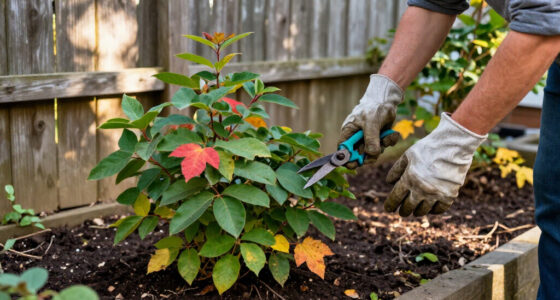
According to horticultural specialists, over-fertilization, especially with nitrogen-rich fertilizers, encourages lush, tender new growth that aphids prefer. Improper pruning leaves plants vulnerable by creating dense, tangled foliage that provides shelter for pests. Neglecting to attract or conserve natural predators like ladybugs and lacewings reduces biological control, while poor spacing fosters humidity and stagnation, further inviting aphids.
While these factors are well-established in gardening literature, recent online search trends show a surge in interest around aphid management, indicating that more gardeners are encountering infestations linked to these mistakes. Experts emphasize that early correction of these errors can significantly reduce pest populations and minimize chemical pesticide use.
Why Correcting These Mistakes Matters for Garden Health
Addressing these four mistakes is vital because aphids can quickly damage plants, stunt growth, and transmit diseases. By avoiding these common errors, gardeners can foster a healthier, more resilient garden ecosystem. Proper management reduces reliance on chemical pesticides, promoting sustainable gardening practices and protecting beneficial insects.
Failing to correct these issues can lead to severe infestations that require costly and environmentally harmful interventions. Therefore, understanding and avoiding these mistakes is essential for long-term garden productivity and ecological balance.
Popular right now

Hisense 85 U7 Mini-LED ULED 4K UHD Smart Google TV (85U7SG, 2026)

Ninja Crispi Glass Air Fryer (Stone) – 4‑in‑1

Breville BES870XL Barista Express Espresso Machine, Brushed Stainless Steel
As an affiliate, we earn on qualifying purchases.
Background on Aphid Problems and Gardening Practices
Aphids are among the most common garden pests, thriving in environments with abundant tender growth and limited natural predators. Historically, infestations increase during warm, humid seasons, especially when gardeners apply excessive fertilizers or neglect integrated pest management practices.
Recent years have seen a shift toward organic gardening and sustainable pest control, but misconceptions and common mistakes persist. The current spike in search interest suggests that many gardeners may unknowingly be creating conditions favorable to aphids by repeating these errors.
Previous studies have confirmed that ecological balance and proper cultural practices are key to controlling aphids without heavy pesticide reliance. The current trend highlights a need for increased awareness and education around these fundamental mistakes.
Unconfirmed Links Between Gardening Mistakes and Infestations
While experts agree that these four mistakes contribute to aphid problems, the extent of their impact varies depending on local conditions and plant types. Specific quantitative data linking each mistake to infestation severity is still limited, and ongoing studies are needed to refine recommendations.
It is also unclear whether other factors, such as climate change or new plant varieties, are influencing recent trends in aphid outbreaks. More research is required to establish comprehensive, evidence-based guidelines.
Next Steps for Gardeners and Researchers
Gardeners are advised to review and correct their fertilization, pruning, natural predator conservation, and spacing practices. Extension services and gardening organizations are expected to release updated best practices soon. Researchers plan to conduct studies to quantify the impact of these mistakes and develop targeted intervention strategies.
In the coming months, increased outreach and education efforts aim to help gardeners implement pest-resistant practices and reduce reliance on chemical controls, fostering healthier gardens overall.
Key Questions
How can I tell if my garden has an aphid problem caused by these mistakes?
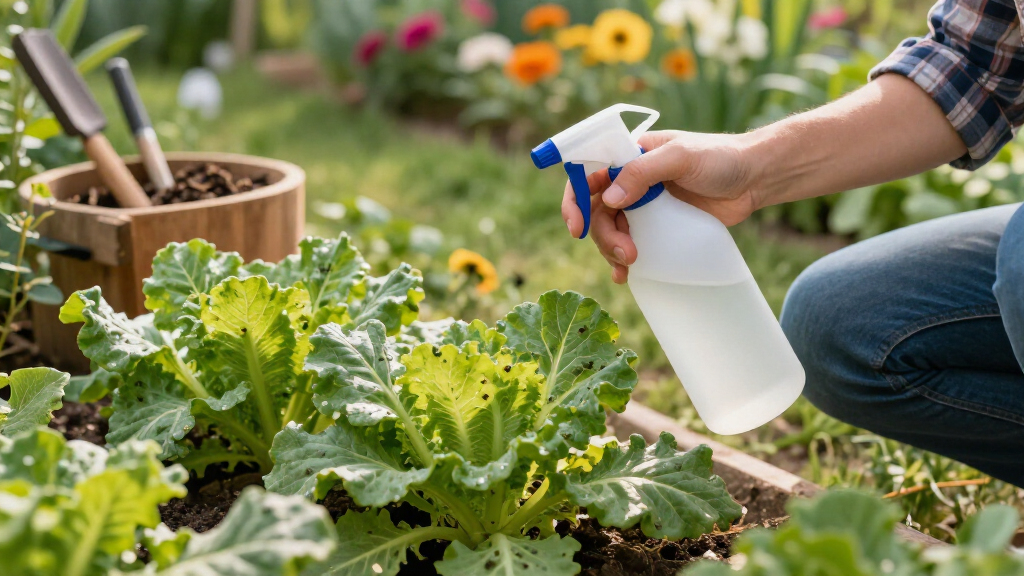
Look for signs of small, soft-bodied insects on new growth, sticky honeydew, distorted leaves, or a general decline in plant vigor. Correcting cultural practices can help reduce ongoing infestations.
What is the best way to fix over-fertilizing in my garden?
Use balanced, slow-release fertilizers and follow recommended application rates. Avoid excess nitrogen and consider soil testing to guide fertilization.
Are natural predators enough to control aphids without pesticides?
In many cases, yes. Attracting ladybugs, lacewings, and parasitic wasps through plant diversity and avoiding broad-spectrum insecticides can help naturally manage aphid populations.
How does plant spacing influence aphid infestations?
Proper spacing improves air circulation and reduces humidity, making environments less favorable for aphids and other pests to thrive.
When should I seek professional help for aphid infestations?
If infestations are severe, spreading rapidly, or resistant to cultural controls, consult a local extension agent or professional pest management service for targeted solutions.
Source: rss