
TL;DR

Get business pricing on tools and workshop supplies
- Business-only prices and quantity discounts
- Tax-exempt purchasing
- Multiple users, one account, clear invoices
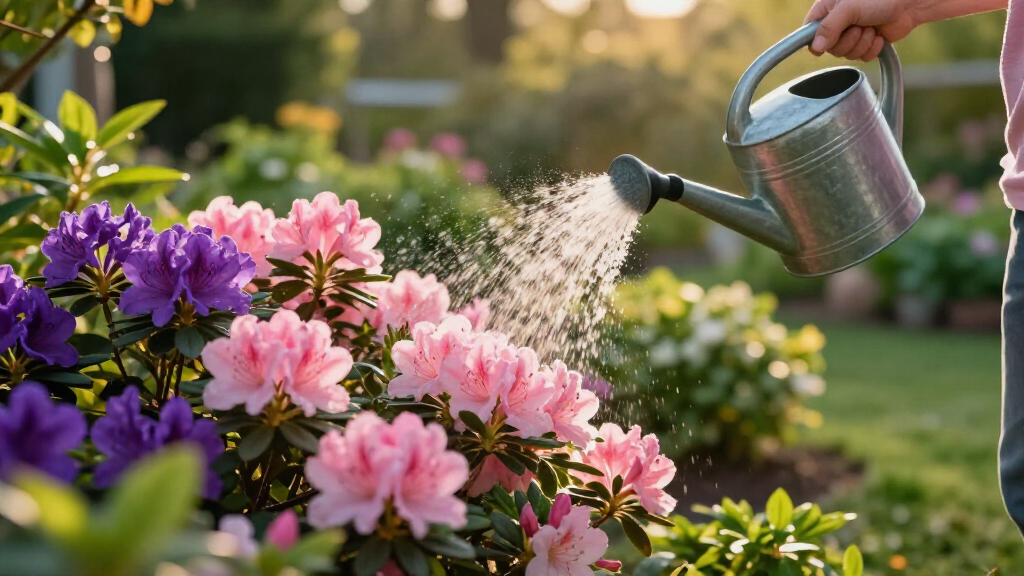
Azaleas and rhododendrons require specific late summer care to produce their best blooms next year. Experts confirm that proper fertilization during this period is crucial. This development highlights a simple step gardeners can take now to improve flowering results.
Horticultural experts agree that applying a specific type of fertilizer in late summer is key for azaleas and rhododendrons to produce their best blooms next year. This practice, often overlooked, can significantly improve flowering performance and plant health, making it a crucial step for gardeners aiming for vibrant spring displays.
According to plant care specialists, the critical step for maximizing azalea and rhododendron blooms in the following year is applying a balanced, slow-release fertilizer during late summer, typically in August or early September. This timing allows nutrients to be absorbed and stored by the plants before dormancy begins.
Experts from the American Horticultural Society emphasize that fertilizer containing phosphorus and potassium supports flower development, while nitrogen should be used cautiously to avoid promoting excessive leafy growth at the expense of blooms. They recommend following manufacturer instructions for dosage and application methods.
While some gardeners believe pruning or watering are sufficient, horticultural authorities confirm that proper fertilization is the most impactful factor for next year’s flowering potential. This advice is based on research indicating that late summer fertilization influences bud formation and flower quality.
Why Late Summer Fertilization Is a Game-Changer for Blooms
This practice matters because it provides a simple, actionable step gardeners can take now to enhance next year’s flowering performance. Proper fertilization in late summer helps plants develop healthy buds, leading to more abundant and vibrant blooms in spring. For commercial growers and home gardeners alike, this can mean a noticeable difference in garden aesthetics and plant vitality.
Moreover, understanding and implementing this care routine can reduce the need for additional interventions later, saving time and resources while promoting sustainable gardening practices.
slow release fertilizer for azaleas and rhododendrons
As an affiliate, we earn on qualifying purchases.
As an affiliate, we earn on qualifying purchases.
Timing and Techniques for Optimal Fertilizer Application
Azaleas and rhododendrons are early bloomers that set buds months in advance, typically in late summer or early fall. Historically, many gardeners focus on spring fertilization, but recent horticultural guidance highlights the importance of late summer feeding. Experts advise using a balanced, slow-release fertilizer designed for acid-loving plants, applied during late summer to support bud development.
This advice aligns with growing research emphasizing that late-season nutrition influences flowering quality, which is especially relevant as climate patterns shift and plant health becomes more sensitive to environmental stressors.
While specific fertilizer formulations vary, the consensus is that phosphorus and potassium are vital for flowering, and nitrogen should be applied judiciously to avoid excessive vegetative growth that can hinder bloom production.
acid-loving plant fertilizer late summer
As an affiliate, we earn on qualifying purchases.
As an affiliate, we earn on qualifying purchases.
Unanswered Questions About Fertilizer Timing and Composition
While experts agree on the importance of late summer fertilization, specific recommendations regarding fertilizer formulations, timing windows, and application frequency are still being refined. It is not yet clear whether different soil types or climate zones require tailored approaches, or if certain fertilizers outperform others for maximum bloom production.
Further research is ongoing to determine optimal nutrient ratios and whether additional treatments, such as soil amendments, could enhance results.
phosphorus potassium fertilizer for flowering plants
As an affiliate, we earn on qualifying purchases.
As an affiliate, we earn on qualifying purchases.
Next Steps for Gardeners and Researchers
Gardeners are advised to apply a balanced, slow-release fertilizer during late summer based on current expert guidance. Monitoring plant responses over the coming seasons will help refine best practices. Researchers plan to investigate the specific nutrient needs of azaleas and rhododendrons across different environments to develop more tailored recommendations.
Extension services and horticultural organizations are expected to release updated guidelines as new data becomes available, helping gardeners optimize blooming success.
best fertilizer for azaleas and rhododendrons
As an affiliate, we earn on qualifying purchases.
As an affiliate, we earn on qualifying purchases.
Key Questions
When is the best time to fertilize azaleas and rhododendrons in late summer?
The optimal window is typically in August or early September, depending on your local climate and plant growth cycle.
What type of fertilizer should I use?
A balanced, slow-release fertilizer containing phosphorus and potassium, formulated for acid-loving plants, is recommended. Follow label instructions for application rates.
Can I fertilize if my plants are already blooming?
It’s best to fertilize before the buds set in late summer to maximize bloom potential. Fertilizing during bloom may not provide the same benefits and could encourage unwanted vegetative growth.
Will fertilizing late in summer harm my plants?
When applied according to instructions, late summer fertilization is safe and beneficial. Over-fertilizing or using inappropriate products can cause stress or damage, so following guidelines is important.
Does pruning affect bloom production as much as fertilization?
Pruning can influence flowering, but experts confirm that proper fertilization is a more consistent method to improve bloom quality and quantity for the following year.
Source: rss
Fall Picks
fall essentials
As an affiliate, we earn on qualifying purchases.