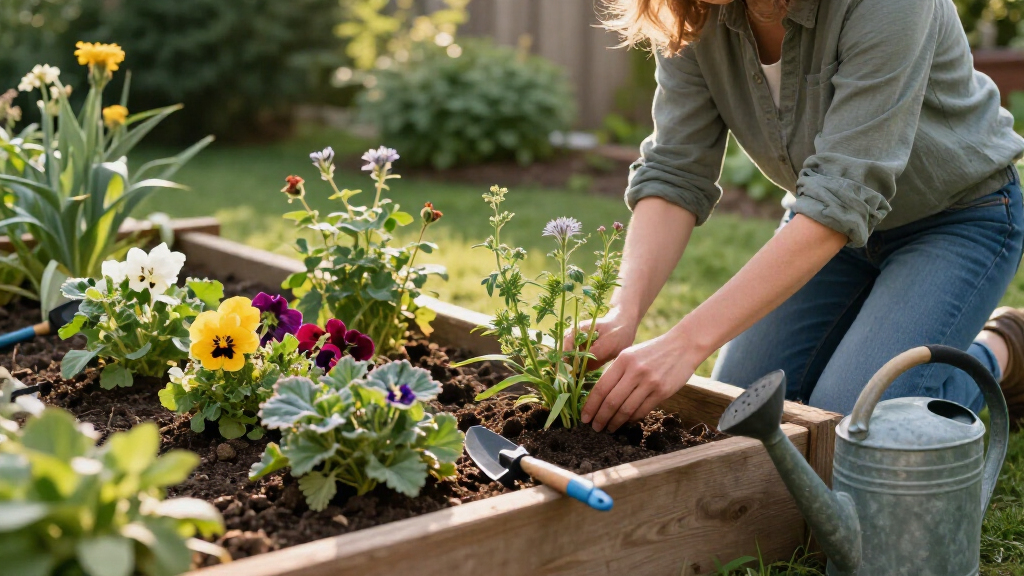

Choosing the best native perennial plants involves balancing adaptability, visual appeal, and maintenance needs. The Perennial Farm Panicum Virgatum ‘Cheyenne Sky’ stands out for its striking color and drought tolerance, making it a top overall pick. The Pollinator Garden Live Plant Collection offers a versatile mix perfect for attracting pollinators, while the Black-Eyed Susan (Rudbeckia f. ‘Goldsturm’) provides easy, reliable blooms. However, tradeoffs include factors like specific zone requirements, growth habits, and garden style compatibility. Continue reading for a full breakdown of these top choices and insights into selecting your ideal native perennials.

Get tools and workshop supplies delivered free — and shop member deals
- Fast, free delivery on millions of items
- Access to Prime Big Deal Days deals on October 6–7
- Prime Video, Amazon Music and more included
Complete the kit

Key Takeaways
- Native perennials vary greatly in their color, bloom time, and drought tolerance, so selecting plants suited to your local climate is key.
- The top picks excel in attracting pollinators and supporting local ecosystems, which is a major consideration for eco-conscious gardeners.
- Ease of care differs; some varieties like Black-Eyed Susan are very low-maintenance, while others need more specific conditions or pruning.
- Plant diversity in a collection enhances garden resilience and visual interest, as shown by the pollinator plant bundle.
- Tradeoffs often involve balancing aesthetic preferences with hardiness zones, soil needs, and growth habits.


More Details on Our Top Picks
Perennial Farm Panicum Virgatum ‘Cheyenne Sky’ – Live Switch Grass in #1 Container
This switch grass stands out as the most versatile native perennial for adding height, movement, and ecological value to a variety of garden styles. Its striking blue-green foliage transitions to wine red, providing vibrant seasonal color, while purple blooms in late summer attract pollinators like bees and butterflies. Compared with the Blue Cardinal Flower, this grass offers a longer-lasting visual appeal without the need for frequent deadheading. The main tradeoff is that it may be dormant or require trimming if shipped during colder months, and shipping restrictions may limit availability in some regions. Its drought tolerance makes it ideal for xeriscaping or low-water gardens, and its adaptability to borders or meadow plantings makes it a top choice for sustainable landscapes.
Pros:- Attracts a wide range of pollinators including bees and butterflies
- Drought tolerant and native to North America
- Provides long-lasting color with purple blooms in late summer
- Highly versatile for borders, meadow gardens, or landscape accents
Cons:- May be dormant or need trimming if shipped late in fall or winter
- Limited shipping to certain states due to regulations
Best for: Gardeners seeking a low-maintenance, drought-tolerant perennial that provides visual interest and supports pollinators in border or meadow settings.
Not ideal for: Homeowners in regions with very limited shipping options or those needing a plant that blooms in early spring, as this grass peaks in late summer and fall.
- Plant Type:Perennial Grass
- Height:2-3 feet
- Foliage Color:Blue-green turning wine red
- Bloom Color:Purple
- Bloom Season:Late summer
- Container Size:#1
- Native:Yes
- Drought Tolerant:Yes
Our verdict“This perennial grass is ideal for gardeners wanting a native, drought-tolerant plant that adds seasonal color and ecological benefits to large landscapes.”
Lobelia cardinalis (Cardinal Flower) Perennial Plant – 1 Size Container
Compared with the grass selection, the Lobelia cardinalis offers a stunning vertical splash of vibrant red in mid to late summer, making it the standout for gardeners aiming to create a dramatic, pollinator-friendly display. Its tubular flowers are especially attractive to hummingbirds and butterflies, and its preference for moist, well-drained soils makes it perfect for rain gardens or wetland restorations. The main tradeoff is that it needs consistent moisture, limiting its use in drought-prone areas. While it grows up to 3 feet tall, this plant’s showy nature requires space and support if grown in windy spots. Unlike the Pollinator Garden Collection, it’s less fuss-free but excels where moisture is abundant and native wildlife is a priority.
Pros:- Attracts hummingbirds and butterflies with vibrant red flowers
- Supports native pollinators and wildlife
- Thrives in moist, well-drained soils and wetland settings
- Deer resistant and hardy in zones 4-8
Cons:- Requires consistent moisture, limiting drought tolerance
- Potentially tall and may need support or spacing
Best for: Gardeners creating wet or rain gardens seeking a striking, native flower that attracts hummingbirds and butterflies.
Not ideal for: Drought-prone areas or gardeners who prefer low-maintenance plants that don’t need frequent watering, as this plant prefers moist soils.
- USDA Hardiness Zone:4-8
- Expected Plant Height:3 feet
- Soil Type:Loam
- Soil Moisture Needs:Moderate Watering
- Planting Period:Fall
- Blooming Period:July-September
- Plant Container Size:#1
- Deer Resistant:Yes
Our verdict“This perennial is perfect for moist gardens and wetland areas where attracting native pollinators is a priority, though it demands regular watering.”
Pollinator Garden Live Plant Collection – 8 Perennial Live Plants, Butterfly Weed, Swamp Milkweed, Purple Coneflower & Black-Eyed Susan
This collection makes a compelling choice for gardeners aiming to maximize pollinator support with minimal effort. Including four different native perennials—Butterfly Weed, Swamp Milkweed, Purple Coneflower, and Black-Eyed Susan—it provides a continuous bloom season that attracts butterflies, bees, and hummingbirds. Compared with the single-species options like the Goldenrod, this mix offers greater biodiversity and resilience, as different plants fill different niches and bloom at various times. The main tradeoff is that plant sizes vary early in the season, and these plugs require full sun and well-drained soil to thrive. The low-maintenance nature of these natives makes this collection suitable for beginner gardeners or those seeking a vibrant, ecological garden.
Pros:- Attracts butterflies, bees, and hummingbirds
- Easy to grow, drought-tolerant, and low-maintenance
- Native plants that return year after year
- Provides season-long bloom for ecological impact
Cons:- Plant sizes may vary early in the season, affecting garden design initially
- Requires full sun and well-drained soil for best results
Best for: Beginners or busy gardeners wanting a diverse, pollinator-friendly perennial garden with minimal fuss.
Not ideal for: Gardeners with shady yards or poor-drained soils, as these plants prefer full sun and good drainage to establish well.
- Plant Size:Varies, smaller early in season
- Includes:Butterfly Weed, Swamp Milkweed, Purple Coneflower, Black-Eyed Susan
- Plant Type:Perennials
- Features:Drought-tolerant, deer-resistant, low-maintenance
- Season:Season-long bloom
Our verdict“This native plant collection offers a low-maintenance, biodiverse solution for gardeners wanting to support pollinators across the season.”
Lobelia siphilitica (Blue Cardinal Flower) Native Live Perennial, Size-#1 Container, Blue Late Summer Flowers, Zones 5-9
Compared to the Red Lobelia, the Blue Cardinal Flower offers a stunning shade of vibrant blue that blooms later in the season, providing a complementary color palette. Its height of 3-4 feet makes it a dramatic vertical element, especially effective in the back of border plantings or in partial shade gardens. It thrives in moist to average soils, making it suitable for shaded or semi-shaded spots where other perennials may struggle, unlike the Pollinator Garden collection which emphasizes drought tolerance over shade. The main drawback is its need for consistent moisture, and its tall stature requires space or staking to prevent flopping. Overall, this plant excels in attracting pollinators late in the season, adding a splash of blue when most perennials have finished blooming.
Pros:- Vibrant blue flowers attract pollinators late in summer
- Hardy in USDA zones 5-9, adaptable to various climates
- Suitable for full sun or partial shade, especially in moist conditions
- Adds vertical interest and color diversity
Cons:- Requires moist to average soil, limiting drought-tolerant landscapes
- Can grow up to 4 feet tall, possibly needing staking or support
Best for: Gardeners seeking late-season color in shaded or moist garden areas, especially those wanting to attract butterflies and hummingbirds in late summer.
Not ideal for: Drought-prone or full-sun gardeners, as this plant prefers moist conditions and partial shade, and can grow quite tall requiring support.
- Hardiness Zones:5-9
- Growing Conditions:Full Sun, Partial Shade
- Height:3-4 feet
- Moisture Needs:Moist to average
- Blooming Period:August and September
- Material:Live Plant
Our verdict“Ideal for shaded, moist spots where late-season blue blooms and pollinator attraction are desired, though it needs space and consistent watering.”
Rudbeckia f. ‘Goldsturm’ (Black Eyed Susan) Perennial, Size-#1 Container, Golden Yellow Flowers
This perennial offers a cheerful splash of golden yellow, making it a garden staple for full sun beds. Its long bloom period from July to September and proven hardiness across USDA zones 4-9 make it highly reliable. Compared with the Pollinator Garden collection, which offers diversity, ‘Goldsturm’ excels in simplicity and longevity, thriving in various soil types without fuss. The main tradeoff is its limited bloom season compared to more extended bloomers like Coneflower or Butterfly Weed, but its ease of growth and immediate availability make it a favorite for quick color addition. Its broad adaptability and vibrant flowers ensure it remains a gardener favorite for classic sunny borders.
Pros:- Vibrant yellow flowers with a black center
- Easy to grow, long-lasting blooms
- Suitable for various soil types and full sun
- Reliable and long-lived in the landscape
Cons:- Limited bloom period compared to some perennials
- May be dormant or less vigorous outside peak season if shipped in winter
Best for: Gardeners seeking a straightforward, long-blooming perennial that thrives in full sun and various soil conditions.
Not ideal for: Shady garden sites or those looking for more colorful or diverse planting schemes, as this is a single-species, bright yellow focal point.
- USDA Zones:4-9
- Height:2 feet
- Flower Size:3-4 inches
- Bloom Time:July to September
- Container Size:#1
Our verdict“This classic perennial is perfect for gardeners wanting reliable, easy-care color in sunny borders with minimal fuss.”
2 Yellow Milkweed Live Plants, Native Flower, 5-8 Inches Tall, Well-Rooted, Drought Tolerant, Cold Hardy Perennial
This pair of yellow milkweed plants stands out for their adaptability, thriving in USDA zones 3-9 with drought tolerance and cold hardiness. Compared to the more delicate Blue Moon Phlox, these milkweeds are better suited for low-maintenance, drought-prone landscapes, but they demand well-draining soil and moderate watering, which could restrict placement for some gardeners. Their compact size of 5-8 inches initially makes them ideal for containers or borders, though they will grow taller over time. Tradeoffs include their limited zones and initial small size, requiring patience for full maturity. This pick makes the most sense for gardeners seeking hardy, versatile plants that can handle tough conditions and are suitable for various planting styles.
Pros:- Drought tolerant and cold hardy for zones 3-9
- Suitable for diverse planting options including containers and garden beds
- Well-rooted and ready to plant
Cons:- Requires well-draining soil and moderate watering
- Limited zone range and small initial size may delay impact
Best for: Gardeners in zones 3-9 looking for drought-tolerant, cold-hardy perennials suitable for beds, containers, or borders.
Not ideal for: Those in very hot or very cold climates outside zones 3-9 or gardeners needing immediate full-grown plants, as these are small and may take time to mature.
- Set Count:2
- Plant Height:5-8 inches
- Sunlight Exposure:Full sun
- Soil Type:Well-draining soil
- USDA Hardiness Zones:3-9
- Watering:Moderate
- Color:Yellow
Our verdict“This option is best for gardeners seeking resilient perennials that tolerate drought and cold with versatile planting options.”
American Beauties Native Plants Phlox Divaricata ‘Blue Moon’ – Live Plant in #1 Container
Phlox divaricata ‘Blue Moon’ offers fragrant violet-blue flowers that bloom in spring, making it a favorite for pollinator gardens. Unlike the more drought-tolerant Seaside Goldenrod, this plant prefers moist, well-drained soils and partial shade, which limits its use in hot, sunny spots. Its modest size of 10-12 inches high and 12-15 inches wide suits shaded beds or container plantings, but it may trail or need support in windy locations. Tradeoffs include its zone range (4-8) and specific moisture needs, which may not suit drought-prone or extremely hot environments. This makes it an excellent choice for gardeners wanting a fragrant, pollinator-friendly perennial that blooms early spring.
Pros:- Fragrant violet-blue flowers in spring
- Attracts pollinators and hummingbirds
- Easy to grow and tolerant of moist soils
- Suitable for shaded areas and containers
Cons:- Requires specific USDA zones (4-8)
- May trail or need support in windy conditions
Best for: Gardeners in zones 4-8 seeking fragrant, shade-tolerant perennials that attract hummingbirds and pollinators, especially in partial shade or containers.
Not ideal for: Those in very hot, full-sun gardens or in zones outside 4-8, as the plant prefers moist, shaded conditions and may not thrive otherwise.
- Plant Type:Native perennial
- Size:10-12 inches H x 12-15 inches W
- Container Size:#1
- Bloom Time:April to May
- Flower Color:Violet-blue
- USDA Zone:4-8
- Features:Deer resistant, attracts hummingbirds, native pollinator-friendly
Our verdict“This pick is ideal for gardeners wanting a fragrant, shade-loving perennial that attracts pollinators in zones 4-8.”
Solidago sempervirens (Seaside Goldenrod) Native Live Perennial, Size-#1 Container, Golden Yellow Late Summer Flowers
Solidago sempervirens, or seaside goldenrod, shines in late summer with tall spikes of golden yellow flowers that draw pollinators like bees and butterflies. It is especially suited for coastal or saline environments, unlike the more delicate Blue Moon Phlox that prefers shade and moist soils. Its salt and drought tolerance make it a true low-maintenance choice, perfect for gardens with poor soil or seaside conditions. However, its seasonal dormancy and potential for seasonal trimming mean it might look less impressive immediately after shipping or during winter. Tradeoffs include its dormancy period and the need to trim after bloom, which could be an inconvenience for gardeners expecting year-round display. Overall, it excels in low-maintenance, coastal landscapes needing sturdy, pollinator-friendly plants.
Pros:- Attracts bees, butterflies, and beneficial insects
- Salt and drought tolerant for coastal conditions
- Low maintenance and easy to grow
- Bright golden yellow flowers in late summer
Cons:- May be dormant or trimmed if shipped in winter
- Seasonal bloom period limits year-round interest
Best for: Gardeners seeking a salt- and drought-tolerant perennial that thrives in coastal, low-maintenance gardens with late summer blooms.
Not ideal for: Gardeners in non-coastal zones or those seeking plants with year-round visual impact, since seaside goldenrod is seasonal and may be dormant in winter.
- Size:#1 Container
- Color:Golden Yellow
- Bloom Time:Late Summer
- Zones:3-8
- Features:Pollinator friendly, salt & drought tolerant, low maintenance
Our verdict“This plant is perfect for coastal or low-maintenance gardens that need late summer color and pollinator support.”
How We Picked
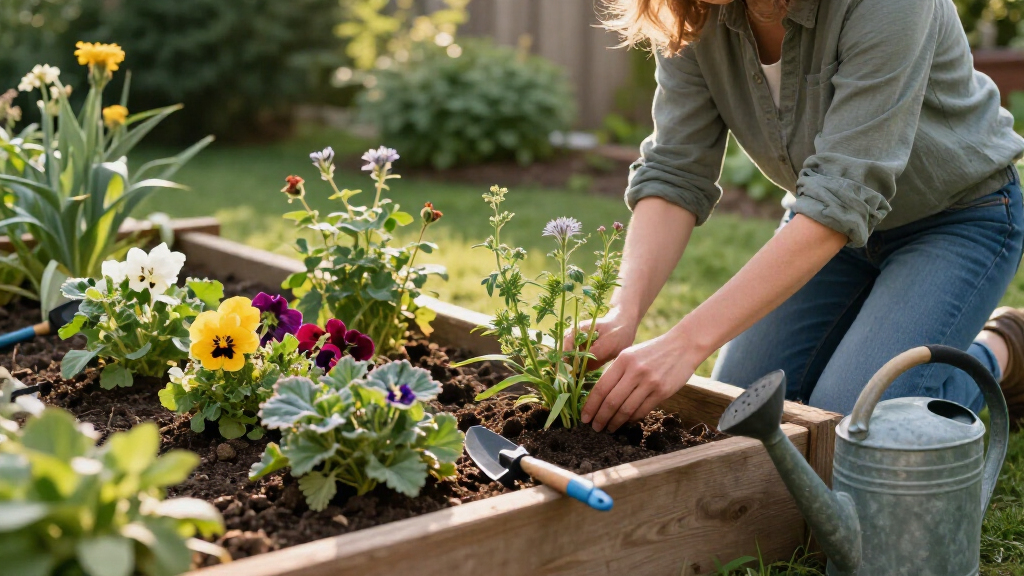
This roundup ranks native perennial plants based on their adaptability to a range of garden conditions, attractiveness to pollinators, ease of maintenance, and overall performance. We prioritized plants that thrive in various zones with minimal intervention, ensuring longevity and low upkeep. The evaluation also considered growth habits, bloom times, and versatility in garden design. Plants that demonstrated consistent performance across different settings ranked higher, with special attention to those suited for beginner gardeners and eco-friendly landscapes. The final order reflects a combination of these factors, highlighting options that offer the best balance of beauty, resilience, and value.Factors to Consider When Choosing Best Native Perennial Plants
Selecting the best native perennial plants requires understanding several key factors that influence their performance in your garden. Beyond appearance, considerations like climate compatibility, soil type, and maintenance needs impact long-term success. Recognizing these elements can prevent common mistakes, such as choosing plants that are unsuitable for your zone or expecting too much bloom with minimal effort. A thoughtful approach ensures your garden thrives, providing beauty and ecological benefits for years to come.Climate and Zone Compatibility
Understanding your USDA hardiness zone is essential when choosing native perennials. Plants adapted to your zone will require less extra care and are more likely to thrive without supplemental watering or protection. Overlooking zone compatibility often leads to poor growth or plant loss, especially with species that have narrow hardiness ranges. Always verify the plant’s zone requirements before purchasing to match it with your local climate conditions.
Soil Type and Drainage
Native perennials have evolved to grow in specific soil conditions, so matching plants to your soil type is critical. Well-draining soil benefits most perennials, preventing root rot and disease. Conversely, some species like swamp milkweed thrive in wetter soils. Failing to consider soil characteristics can lead to poor performance or the need for costly amendments. Conduct a soil test if unsure, and select plants accordingly for a more successful planting experience.
Sunlight and Site Exposure
Assessing your garden’s sunlight exposure helps determine which plants will flourish. Some native perennials prefer full sun, while others tolerate partial shade or even full shade. Choosing plants that match your site’s light conditions ensures vigorous growth and abundant blooms. Ignoring this factor often results in leggy, sparse plants or less flowering, diminishing your garden’s visual impact.
Maintenance and Growth Habits
Understanding a plant’s growth habit and maintenance needs prevents surprises down the line. For example, some species like goldenrod can spread aggressively if not controlled, while others like blue cardinal flower stay more contained. Consider your willingness to prune, divide, or manage spread when selecting perennials. Picking low-maintenance options is ideal for busy gardeners or those new to native plants, whereas enthusiasts may enjoy managing more vigorous growers.
Bloom Time and Seasonal Interest
Staggering bloom times across your garden creates continuous visual interest and supports pollinators throughout the growing season. Native perennials bloom at different times—early spring, summer, or late summer—so planning for diversity ensures a vibrant landscape. Be mindful of your local climate’s seasonal window and select a mix that offers color and ecological benefits when most needed.
Frequently Asked Questions
Are native perennials more difficult to maintain than non-native plants?
Generally, native perennials are easier to maintain because they are adapted to local conditions, requiring less supplemental watering, fertilizing, or pest control. Their well-suited growth habits mean they tend to be resilient, reducing the need for interventions. However, some native species can spread or require specific management, so understanding each plant’s growth pattern is still important for keeping your garden manageable.
Can I plant multiple native perennials together for a naturalized look?
Yes, combining different native perennials creates a more natural and resilient landscape. Mixing species with varying bloom times, heights, and textures enhances ecological diversity and visual interest. Just ensure that they share similar soil, light, and water needs to prevent compatibility issues and promote healthy growth across the garden.
Are native perennials suitable for container gardening?
Many native perennials adapt well to containers, especially those with compact growth habits. Using the right-sized pots and well-draining soil is key. Container gardening allows for greater control over soil and moisture, but some species may need regular watering and fertilization to perform well. Be sure to choose plants that are suited for container life and monitor their needs accordingly.
Which native perennials are best for attracting pollinators?
Species like cardinal flower, swamp milkweed, and black-eyed Susan are excellent choices for attracting bees, butterflies, and hummingbirds. These plants offer nectar and pollen sources during their bloom periods, supporting local ecosystems. Including a variety of these perennials in your garden can significantly boost pollinator activity and biodiversity.
How do I prevent invasive tendencies with native perennials?
While many native perennials are well-behaved, some, like goldenrod, can spread vigorously if not managed. The key is to select species suited to your space and to regularly monitor growth. Using barriers or dividing plants as needed helps control spread. Proper installation and maintenance practices prevent native plants from becoming invasive or overwhelming other garden elements.
Conclusion
For those seeking an all-around reliable choice, the Black-Eyed Susan offers easy care and vibrant blooms, making it ideal for beginners. Gardeners focused on supporting pollinators and ecological health should consider the Pollinator Garden Collection, which provides a diverse mix of beneficial species. If you desire a striking, low-maintenance focal point, Panicum Virginatum ‘Cheyenne Sky’ is a standout. For those with specific site conditions, such as wetter soils or shaded areas, selecting species like swamp milkweed or blue cardinal flower will deliver the best results. Overall, matching your garden’s conditions and your maintenance willingness ensures the best success with native perennials in 2026.Halloween Picks
halloween
As an affiliate, we earn on qualifying purchases.