
TL;DR

Get tools and workshop supplies delivered free — and shop member deals
- Fast, free delivery on millions of items
- Access to Prime Big Deal Days deals on October 6–7
- Prime Video, Amazon Music and more included
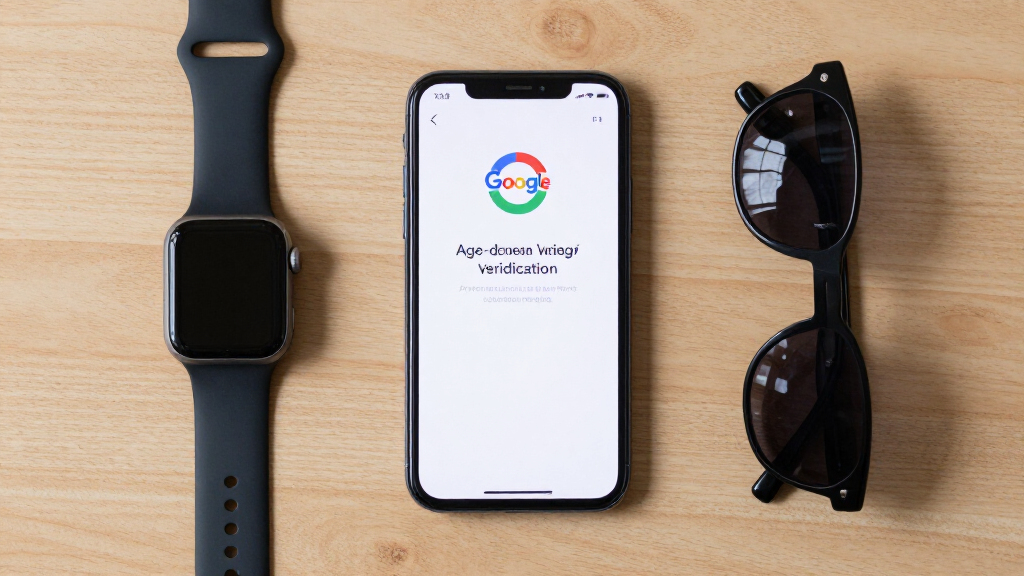
Google announced it will expand age verification checks on Android devices worldwide by the end of 2023. The move aims to improve user safety and regulatory compliance across markets. The expansion is scheduled to be completed by December 31, 2023.
Google has announced it will expand its age verification checks on Android devices worldwide by the end of 2023. The move aims to strengthen user safety measures and ensure compliance with regional regulations, affecting millions of Android users globally.
According to a statement from Google, the company will roll out its enhanced age verification system across all Android markets by the end of this year. The system involves verifying users’ ages through various methods, including device-based checks and account verification processes.
Google originally introduced the age check feature in select markets earlier this year as part of its efforts to restrict access to certain content and apps for underage users. The expansion aims to provide consistent age verification across all regions, aligning with local laws and regulations.
Sources indicate that the rollout will be gradual, with Google working closely with local authorities and industry partners to implement the system effectively. The company emphasized that user privacy and data security remain priorities during this process.
Implications for User Safety and Regulatory Compliance
The expansion of age checks on Android devices is significant because it enhances protections for minors and helps developers and regulators enforce age restrictions more effectively. For users, this means increased privacy controls and safer access to digital content.
For regulators, the move supports compliance with regional laws such as the Children’s Online Privacy Protection Act (COPPA) in the US, the Digital Services Act in the European Union, and similar laws elsewhere. It also positions Google as proactively addressing concerns about minors’ online safety.
As an affiliate, we earn on qualifying purchases.
Background on Google’s Age Verification Efforts
Google introduced initial age verification features earlier this year, focusing on restricting access to certain apps and content for users below specific ages. The system uses device and account data to verify age, with the goal of creating a safer digital environment.
This initiative aligns with broader industry trends toward stricter age controls and privacy protections, especially following increased regulatory scrutiny worldwide. The rollout of these features has been gradual, with initial testing in select markets before plans for global expansion.
Previous efforts by Google and other tech companies have faced challenges related to privacy concerns, accuracy of age verification, and user acceptance. The current expansion aims to address these issues by standardizing the process globally.
“We are committed to enhancing user safety and ensuring compliance with local laws through expanded age verification on Android devices worldwide by the end of 2023.”
— Google spokesperson
As an affiliate, we earn on qualifying purchases.
Details on Implementation and User Privacy Concerns
It is not yet clear exactly how the verification process will be implemented in each region, or how Google will address privacy concerns related to age data collection. The company has stated that user privacy remains a priority, but specific measures and safeguards have not been fully detailed.
Additionally, the timeline for full global deployment may face delays depending on regulatory approvals and technical challenges.
As an affiliate, we earn on qualifying purchases.
Next Steps in the Global Rollout and Policy Clarifications
Google is expected to continue its phased rollout of the age verification system, providing updates and guidance to users and developers. The company might also clarify privacy policies and data handling practices in the coming months. Monitoring how different markets respond and adapt to these changes will be crucial.
Further announcements could include detailed technical documentation and user guidance to facilitate smoother adoption and address privacy concerns.
privacy protection apps for Android
As an affiliate, we earn on qualifying purchases.
As an affiliate, we earn on qualifying purchases.
Key Questions
When will the age verification system be available worldwide?
Google plans to complete the worldwide expansion of its age verification system by December 31, 2023.
How will the age checks work on Android devices?
The system involves verifying user ages through device-based checks and account verification, though specific methods may vary by region.
Will this impact user privacy?
Google states that user privacy remains a priority, but detailed safeguards and data handling practices are still being clarified as part of the rollout.
What are the legal reasons for expanding age checks?
The expansion helps Google and developers comply with regional laws protecting minors online, such as COPPA and the Digital Services Act.
Source: hn
Halloween Picks
halloween
As an affiliate, we earn on qualifying purchases.